The Science of Crispy Perfection: Which Potatoes Are Best for Baking?
Table of Contents
- The Complete Overview of Which Potatoes Are Best for Baking
- Historical Background and Evolution
- Core Mechanisms: How It Works
- Key Benefits and Crucial Impact
- Major Advantages
- Comparative Analysis
- Future Trends and Innovations
- Conclusion
- Comprehensive FAQs
- Q: Can I substitute one potato variety for another in baking?
- Q: Why do some baked potatoes turn out soggy?
- Q: Do organic potatoes bake differently than conventional ones?
- Q: What’s the best way to reheat a baked potato without drying it out?
- Q: Are there any potatoes better for baking than russets?
- Q: How do I know if a potato is fresh enough for baking?
The golden-brown crust of a perfectly baked potato isn’t just a culinary achievement—it’s a triumph of starch chemistry and heat science. When selecting which potatoes are best for baking, the choice isn’t arbitrary; it’s a decision that dictates texture, flavor, and even structural integrity. Home cooks and professional chefs alike know that not all potatoes are created equal, and the wrong variety can turn a promised crispy exterior into a mealy disappointment. The secret lies in understanding the starch-to-moisture ratio, the skin’s thickness, and how each potato behaves under dry heat. Whether you’re aiming for a fluffy interior or a shatteringly crisp skin, the right tuber makes all the difference.
Yet, the confusion persists. Grocery shelves overflow with options—russets, Yukon Golds, red potatoes—each marketed with vague promises of "perfect baking." The truth is more precise: which potatoes are best for baking depends on the dish’s demands. A restaurant-quality roasted potato wedge requires a different approach than a creamy baked potato with buttery skin. The starch content alone can vary by 50% between varieties, altering how they absorb moisture and release sugars during baking. Ignore these nuances, and even the most meticulous technique will fall short.
The solution begins with science. Potatoes are living organisms, and their cellular structure responds predictably to heat. High-starch potatoes like russets release moisture slowly, creating a dry environment ideal for browning. Lower-starch varieties like red potatoes retain moisture, yielding a tender bite but sacrificing crispness. The key is matching the potato’s inherent properties to the cooking method—whether it’s a 400°F oven or a wood-fired rotisserie. Below, we dissect the mechanics, compare the top contenders, and reveal how to elevate your baked potatoes from good to exceptional.
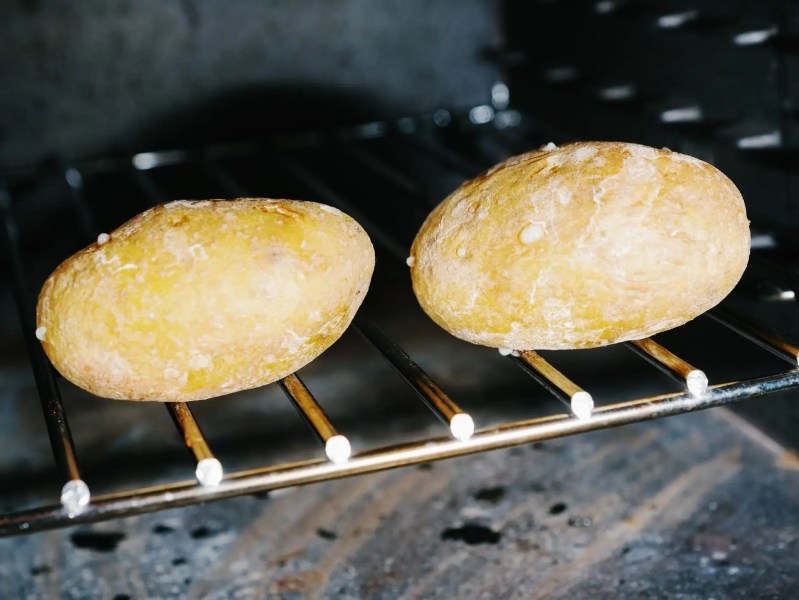
The Complete Overview of Which Potatoes Are Best for Baking
The foundation of any baked potato lies in its variety, and the market’s most celebrated options—russets, Yukon Golds, and fingerlings—each serve distinct purposes. Which potatoes are best for baking isn’t a one-size-fits-all question; it’s a matter of aligning the potato’s natural attributes with the desired outcome. Russets, with their high starch content and thick skins, dominate the baking world for their ability to produce a crispy exterior and fluffy interior. Yukon Golds, meanwhile, strike a balance between moisture retention and starch, making them ideal for dishes where creaminess is prized. Red potatoes, though less common for baking, offer a waxy texture that resists breaking down, useful in specific applications like potato skins or gratin. The choice hinges on whether you prioritize crispness, flavor complexity, or structural integrity.Beyond variety, preparation techniques amplify the potato’s potential. Par-cooking, for instance, can transform a russet’s texture by partially hydrating the starch before baking, ensuring even crispness without burning. Similarly, the cut of the potato—whether wedges, halves, or whole—affects heat distribution and moisture loss. A poorly cut russet wedge may steam instead of crisp, while a Yukon Gold baked whole risks uneven doneness. The interplay between potato selection and preparation is where culinary precision meets science, and where home cooks often stumble. Understanding these dynamics is the first step toward achieving restaurant-quality results in your own kitchen.
Historical Background and Evolution
The potato’s journey from Andean staple to global baking staple is a story of adaptation and innovation. Native to the high-altitude regions of Peru and Bolivia, potatoes were domesticated by the Incas over 7,000 years ago, selected for their ability to thrive in harsh conditions. When European explorers brought them back to the Old World in the 16th century, potatoes were initially met with skepticism—some even believed they caused leprosy. Yet, their versatility and yield soon made them indispensable, particularly in regions like Ireland, where they became a dietary cornerstone. The Great Famine of the 1840s, however, revealed a critical flaw: the reliance on a single variety (the susceptible Lumper potato) left populations vulnerable to disease.This historical lesson underscores a modern truth: which potatoes are best for baking has evolved alongside agricultural science. The russet potato, for instance, emerged in the 19th century as a natural mutation of the European potato, prized for its high starch content and ability to withstand long storage. By the mid-20th century, commercial farming favored russets for their baking and frying qualities, cementing their status as the gold standard. Meanwhile, the Yukon Gold, developed in Canada in the 1980s, was bred to combine the best of russets and red potatoes—high yield, disease resistance, and a flavor profile that bridges the gap between crisp and creamy. Today, these varieties represent centuries of selective breeding aimed at optimizing texture and taste for specific culinary applications.
Core Mechanisms: How It Works
The magic of baking potatoes lies in their cellular structure and starch behavior under heat. Potatoes are composed of roughly 75% water, 20% carbohydrates (primarily starch), and 2% protein and fiber. When exposed to dry heat, the water evaporates, and the starch molecules gelatinize, creating a network that either collapses (resulting in a fluffy interior) or dehydrates (yielding a crisp exterior). High-starch potatoes like russets have long, linear starch chains that align tightly, allowing moisture to escape easily and promoting browning. Low-starch potatoes, such as reds, have shorter, branched chains that trap moisture, leading to a softer texture.The skin’s role is equally critical. Thick, tough skins like those on russets act as a barrier, preventing moisture loss too quickly and ensuring an even bake. Thin-skinned potatoes, such as fingerlings, require careful handling to avoid overcooking. Additionally, the potato’s natural sugars caramelize during baking, contributing to flavor and color. Russets, with their higher sugar content, develop a deeper golden hue and nuttier taste, while Yukon Golds offer a sweeter, more buttery profile. Understanding these mechanisms allows cooks to manipulate variables—such as oven temperature, baking time, and even the addition of fat—to fine-tune the final product.
Key Benefits and Crucial Impact
The right potato doesn’t just improve a dish—it redefines it. A russet baked at 425°F for 45 minutes yields a wedge with a shatteringly crisp skin and a cloud-like interior, a texture that’s nearly impossible to replicate with a lower-starch variety. Which potatoes are best for baking for a loaded baked potato? The answer is clear: russets, due to their ability to handle high heat without falling apart. For a creamy, buttery potato salad, however, Yukon Golds shine, their waxy texture holding up to vinegar and oil without disintegrating. These distinctions aren’t just about preference; they’re about chemistry. The wrong potato can turn a labor-intensive dish into a mushy failure, while the right one elevates even the simplest preparation.The economic and culinary implications are significant. Restaurants and home cooks alike invest time and money in high-quality potatoes because the payoff is immediate—better texture, richer flavor, and greater customer satisfaction. A single poorly chosen potato can cost a chef hours of rework, while the right selection streamlines the process. Beyond the kitchen, this knowledge extends to sustainability. Understanding which potatoes are best for baking encourages mindful purchasing, reducing food waste by ensuring dishes turn out as intended the first time.
"The potato is the only vegetable that improves with age, and the only one that can be baked, mashed, fried, or boiled into something extraordinary—if you pick the right one." — Michael Pollan, Cooked: A Natural History of Transformation
Major Advantages
- Crispness and Structure: High-starch potatoes like russets develop a superior crisp exterior due to their ability to dehydrate evenly, making them ideal for dishes like wedges or skins.
- Flavor Complexity: Varieties like Yukon Golds and fingerlings offer nuanced sweetness and earthiness, enhancing dishes where flavor is as critical as texture.
- Versatility: Russets excel in high-heat applications (baking, roasting, frying), while waxy potatoes (reds, fingerlings) are better suited for salads, soups, or gratins where tenderness is key.
- Storage Stability: Russets and Yukon Golds store well in cool, dark places, making them cost-effective choices for bulk cooking.
- Nutritional Balance: All baking potatoes provide potassium, vitamin C, and fiber, but russets offer slightly higher dry matter content, reducing water weight and concentrating nutrients.
Comparative Analysis
| Potato Variety | Best For / Key Traits |
|---|---|
| Russet Potatoes |
|
| Yukon Gold Potatoes |
|
| Red Potatoes |
|
| Fingerling Potatoes |
|

Future Trends and Innovations
The future of baking potatoes lies in both traditional breeding and cutting-edge technology. As climate change threatens crop yields, agricultural scientists are developing drought-resistant and disease-resistant varieties that retain the baking qualities of russets and Yukon Golds. Genetic modification, though controversial, may soon produce potatoes with even higher starch content or slower moisture loss, further refining the baking experience. Meanwhile, consumer demand for organic and heirloom varieties is driving small-scale farmers to revive lesser-known potatoes, such as the Purple Peruvian or the German Butterball, which offer unique textures and flavors.Innovations in cooking technology also promise to redefine which potatoes are best for baking. Sous-vide techniques, for example, allow for precise control over moisture and doneness, potentially extending the suitability of waxy potatoes to high-heat applications. Air fryers and convection ovens are already changing home cooking by enabling faster, more even baking with less oil. As these tools become more accessible, the lines between traditional and modern potato preparation will blur, offering cooks even more ways to experiment with variety and technique.
Conclusion
The question of which potatoes are best for baking isn’t just about choosing a label from the grocery shelf—it’s about understanding the science behind each variety and how it interacts with heat. Russets remain the undisputed king for crispy, fluffy results, while Yukon Golds and fingerlings offer versatility and flavor for those who want more than just texture. The key to mastery lies in matching the potato to the dish, preparing it correctly, and trusting the process. Whether you’re a home cook aiming for restaurant-quality sides or a professional refining a signature dish, the right potato is the first step toward success.As culinary trends evolve and new varieties emerge, the conversation around baking potatoes will continue to grow. But one truth remains constant: the best baked potato starts with the right spud. By leveraging the insights above, you’re not just baking a potato—you’re crafting an experience.
Comprehensive FAQs
Q: Can I substitute one potato variety for another in baking?
A: While possible, substitutions can alter texture and flavor. For example, using Yukon Golds instead of russets in a wedge recipe will yield a less crispy result. Adjust baking time and temperature slightly—waxy potatoes may need lower heat and shorter duration to avoid overcooking. Always consider the starch content: high-starch potatoes (russets) are best for crispness, while medium-starch (Yukon Golds) work for creamier textures.
Q: Why do some baked potatoes turn out soggy?
A: Sogginess typically results from steam buildup, which happens when potatoes are overcrowded in the oven, wrapped in foil too early, or not preheated properly. High-starch potatoes like russets are more forgiving, but even they can steam if the oven isn’t hot enough. Solution: Space potatoes apart, use a rack for even airflow, and bake at 425°F (220°C) or higher for optimal moisture loss. Avoid covering until the last 10-15 minutes of baking.
Q: Do organic potatoes bake differently than conventional ones?
A: Organic potatoes may have slightly different moisture content due to varying growing conditions and lack of synthetic fertilizers, but the difference is minimal for baking. The primary factor is still variety—organic russets will crisp up just like conventional ones. However, organic potatoes often have thinner skins, which may require slightly longer baking times to achieve the same crispness. Always check for firmness and even color before serving.
Q: What’s the best way to reheat a baked potato without drying it out?
A: The ideal method is to reheat in a 350°F (175°C) oven for 10-15 minutes, wrapped in foil to retain moisture. For extra crispiness, unwrap and broil for 1-2 minutes at the end. Microwaving works but can make the potato rubbery—use a damp paper towel to trap steam. Avoid reheating in water or the oven at too high a temperature, as this accelerates moisture loss and can turn the skin leathery.
Q: Are there any potatoes better for baking than russets?
A: For most applications, russets remain the gold standard due to their starch content and skin thickness. However, the German Butterball potato is a close contender—it has a higher dry matter content than Yukon Golds and bakes up creamy with a slightly crisp skin. Another option is the Caribe potato, a hybrid with russet-like starch but a sweeter, nuttier flavor. If you’re open to experimentation, these varieties can deliver excellent results, though they may require slight adjustments in baking time and temperature.
Q: How do I know if a potato is fresh enough for baking?
A: Freshness is critical for texture. Look for potatoes with firm, unblemished skins and no signs of sprouting or wrinkling. Press gently—if it feels soft or mushy, it’s past its prime. Russets and Yukon Golds should have a dry, papery feel; waxy potatoes like reds should be smooth and slightly glossy. Store potatoes in a cool, dark place (45-50°F or 7-10°C) and use within 1-2 months for optimal baking quality. Avoid refrigerating until ready to cook, as cold temperatures convert starch to sugar, altering flavor and texture.
Leave a Comment
Comments are moderated before appearing. The data you submit is processed according to the Privacy Policy of versiliasolutions.oneagency.co.