The Science Behind Why Does Dr Pepper Taste Like Medicine
Table of Contents
- The Complete Overview of Why Does Dr Pepper Taste Like Medicine
- Historical Background and Evolution
- Core Mechanisms: How It Works
- Key Benefits and Crucial Impact
- Major Advantages
- Comparative Analysis
- Future Trends and Innovations
- Conclusion
- Comprehensive FAQs
- Q: Why does Dr Pepper taste so different from other sodas?
- Q: Is the medicinal taste intentional?
- Q: Does Dr Pepper contain actual medicine?
- Q: Why do some people dislike Dr Pepper’s taste?
- Q: Has Dr Pepper’s recipe changed over the years?
- Q: Can Dr Pepper be used in cocktails?
- Q: Is Dr Pepper healthier than other sodas?
The first sip of Dr Pepper is an experience unlike any other soda. That unmistakable blend of spice, fruit, and something faintly medicinal—almost like a pharmaceutical elixir—lingers on the tongue long after the carbonation fades. It’s a flavor profile that polarizes drinkers: some adore its complexity, while others recoil at its bold, almost medicinal edge. The question why does Dr Pepper taste like medicine isn’t just a quirky observation—it’s a deep dive into the chemistry of flavor, the evolution of a brand, and the subtle art of balancing sweetness with something far more intriguing.
Most sodas follow a predictable formula: sugar, carbonation, and a handful of fruit flavors. Dr Pepper, however, defies convention. Its recipe is a closely guarded secret, but leaks and historical records reveal a cocktail of spices, herbs, and extracts that push the boundaries of what a soda should taste like. The result? A drink that doesn’t just taste sweet—it tastes layered, with undertones that hint at licorice, anise, and even a whisper of pharmaceutical bitterness. This isn’t an accident; it’s the result of deliberate choices made over a century ago, when Dr Pepper’s founders sought to create something entirely new.
To understand why does Dr Pepper taste like medicine, we must examine its ingredients, its historical context, and the science of taste perception. Unlike Coca-Cola or Pepsi, which prioritize smoothness and familiarity, Dr Pepper embraces complexity—sometimes to the point of discomfort. That medicinal aftertaste isn’t a flaw; it’s a feature, a testament to the drink’s roots in apothecary-inspired concoctions and its refusal to conform to soda norms.
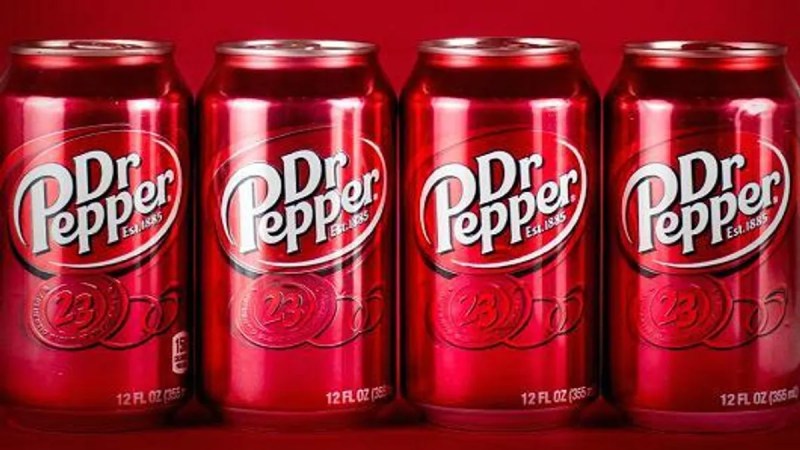
The Complete Overview of Why Does Dr Pepper Taste Like Medicine
Dr Pepper’s flavor is the product of a deliberate fusion between sweetness and herbal bitterness, a balance that mirrors the taste of certain medicinal tonics from the late 19th century. The drink’s creation in 1885 by pharmacist Charles Alderton in Waco, Texas, was an experiment in blending flavors that were uncommon in sodas at the time. Alderton, working in a drugstore, had access to a wide array of spices, herbs, and extracts—many of which were used in medicinal remedies. His goal wasn’t just to create a refreshing beverage but to craft something that stood out in a market dominated by simpler, fruit-forward sodas.
The key to Dr Pepper’s distinctive profile lies in its use of spices like clove, cinnamon, and nutmeg, combined with herbal notes from licorice root and anise. These ingredients weren’t just chosen for their flavor; they were selected because they were already familiar to consumers as components of patent medicines—elixirs marketed as cures for everything from indigestion to fatigue. By incorporating these elements into a soda, Alderton tapped into a cultural moment when medicinal tonics were widely consumed, not just for their health benefits but for their unique, often bold flavors. The result was a drink that didn’t just taste different—it tasted medicinally sophisticated, a trait that has persisted for over 130 years.
Historical Background and Evolution
The origins of Dr Pepper’s flavor can be traced back to the late 1800s, when pharmacists frequently doubled as soda makers. Many of the early sodas were essentially flavored syrups mixed with carbonated water, and their recipes often borrowed from the apothecary’s shelf. Alderton’s Dr Pepper was no exception; it was designed to appeal to customers who enjoyed the complex, slightly bitter profiles of medicinal tonics like Coca-Cola (which, at the time, contained cocaine and caffeine as "medicinal" ingredients). The original recipe included extracts of sassafras, wintergreen, and other botanicals that were staples in patent medicines.
Over the decades, Dr Pepper’s formula evolved, but its core identity remained: a soda that embraced bitterness and herbal notes rather than shying away from them. In the 1920s, the introduction of vanilla and other sweeteners softened the flavor slightly, but the medicinal undertones persisted. By the mid-20th century, Dr Pepper had become a cultural phenomenon, particularly in the Southern and Midwestern United States, where its bold flavor was seen as a point of pride. The drink’s association with medicine didn’t fade; instead, it became part of its mystique. Even today, when consumers ask why does Dr Pepper taste like medicine, they’re acknowledging a legacy that dates back to the drink’s pharmaceutical roots.
Core Mechanisms: How It Works
The medicinal-like quality of Dr Pepper isn’t just a matter of taste—it’s a chemical interplay between its ingredients. The spices (clove, cinnamon, nutmeg) contribute warmth and a slight bitterness, while the licorice and anise add a sweet, almost herbal depth. These flavors don’t blend smoothly; instead, they create a layered sensation that lingers. The carbonation enhances this effect by amplifying the drink’s aromatic compounds, making the herbal and spicy notes more pronounced with each sip. Additionally, Dr Pepper’s sugar content is balanced with a higher acidity level than many other sodas, which sharpens the palate and makes the medicinal undertones more noticeable.
Another critical factor is the use of natural and artificial flavorings. While the exact recipe remains a secret, industry insiders and leaked formulations suggest that Dr Pepper contains compounds like ethyl maltol (which adds a caramel-like sweetness) and small amounts of bittering agents like quinine or gentian root—both of which are historically used in tonics and medicines. These ingredients don’t just contribute to flavor; they create a sensory experience that feels active, almost like the drink is working on the palate rather than merely being consumed. This is why, even in modern versions, Dr Pepper retains a hint of that old-school medicinal character.
Key Benefits and Crucial Impact
Dr Pepper’s unique flavor isn’t just a quirk—it’s a deliberate choice that has shaped its identity and appeal. The medicinal undertones give the drink a sense of depth and authenticity, setting it apart from mass-market sodas that prioritize sweetness and carbonation. For many consumers, this complexity is part of the allure; it’s a drink that rewards those willing to engage with its flavor rather than passively enjoy a generic taste. Additionally, the herbal and spicy notes provide a subtle caffeine boost, which aligns with the historical use of spices in stimulant tonics.
The drink’s association with medicine also carries cultural weight. In regions where Dr Pepper is a staple, it’s often seen as a "grown-up" soda—one that’s bold enough to stand alongside coffee or whiskey in social settings. This perception has helped Dr Pepper maintain a loyal following, even as tastes shift toward lighter, fruitier sodas. The question why does Dr Pepper taste like medicine isn’t just about flavor science; it’s about the drink’s role in American beverage culture as a symbol of tradition and defiance of convention.
"Dr Pepper isn’t just a soda—it’s a flavor experience that challenges the palate. The medicinal notes aren’t a mistake; they’re a testament to its roots in the apothecary and its refusal to be diluted by trends."
— Beverage historian and flavor chemist Dr. Elena Vasquez
Major Advantages
- Distinctive Flavor Profile: The blend of spices, herbs, and bitters creates a taste that’s instantly recognizable and memorable, setting Dr Pepper apart from competitors.
- Cultural Legacy: Its medicinal undertones tie the drink to a rich history, making it a nostalgic choice for older generations while offering a unique experience for newer drinkers.
- Caffeine and Stimulant Effects: The combination of caffeine and herbal notes provides a mild stimulant effect, similar to traditional tonics, which can enhance alertness.
- Versatility in Mixology: Dr Pepper’s complex flavor makes it a popular mixer in cocktails, where its herbal and spicy notes complement spirits like bourbon or rum.
- Brand Loyalty: The drink’s polarizing yet devoted fanbase ensures consistent sales, as its unique taste fosters strong emotional connections with consumers.
Comparative Analysis
| Dr Pepper | Coca-Cola |
|---|---|
| Flavor: Spicy, herbal, with medicinal undertones; higher acidity and bitterness. | Flavor: Sweet, caramelized, with vanilla and citrus notes; smoother and less bitter. |
| Ingredients: Licorice, anise, clove, cinnamon, nutmeg, and proprietary extracts. | Ingredients: Vanilla, cinnamon, citrus oils, and caramel color; no licorice or anise. |
| Cultural Role: Often seen as a "bold" or "adult" soda; associated with Southern and Midwestern traditions. | Cultural Role: Global icon; marketed as a universally refreshing beverage with broad appeal. |
| Taste Perception: Lingering, complex, and slightly medicinal. | Taste Perception: Immediate sweetness with a clean, crisp finish. |

Future Trends and Innovations
The question why does Dr Pepper taste like medicine may evolve as the beverage industry shifts toward cleaner labels and natural ingredients. While Dr Pepper has historically relied on a mix of artificial and natural flavorings, future formulations could emphasize transparency, using clearly sourced botanicals to enhance its herbal profile. Additionally, as health-conscious consumers seek out functional beverages, Dr Pepper’s existing herbal notes could be leveraged to market it as a drink with potential wellness benefits—perhaps as a caffeine alternative with digestive aids or stress-relief properties.
Another potential trend is the rise of "medicinal" or "tonic-inspired" sodas, which could position Dr Pepper as a pioneer in a new category of bold, flavorful carbonated drinks. Brands may look to Dr Pepper’s legacy as a blueprint for creating beverages that balance sweetness with herbal complexity, appealing to consumers who crave something more than just sugar and fizz. Whether through reformulation or marketing, Dr Pepper’s unique taste could become even more central to its identity in the years to come.
Conclusion
The medicinal aftertaste of Dr Pepper isn’t an anomaly—it’s the result of a carefully crafted recipe that blends sweetness with herbal and spicy notes, rooted in the traditions of 19th-century patent medicines. What sets Dr Pepper apart isn’t just its flavor but its refusal to conform to the expectations of a typical soda. While other brands chase smoothness and familiarity, Dr Pepper embraces complexity, offering a taste that’s as much about tradition as it is about innovation.
For those who ask why does Dr Pepper taste like medicine, the answer lies in its history, its ingredients, and its unapologetic commitment to a bold flavor profile. It’s a drink that challenges the palate, rewards curiosity, and remains a testament to the idea that sometimes, the most memorable experiences come from the things that aren’t quite what they seem.
Comprehensive FAQs
Q: Why does Dr Pepper taste so different from other sodas?
A: Dr Pepper’s unique flavor stems from its blend of spices (clove, cinnamon, nutmeg) and herbal extracts (licorice, anise), which create a layered, slightly medicinal profile. Unlike most sodas that prioritize sweetness and fruit flavors, Dr Pepper balances sweetness with bitterness and herbal depth, making it stand out.
Q: Is the medicinal taste intentional?
A: Yes. Dr Pepper’s founders, including pharmacist Charles Alderton, intentionally incorporated ingredients commonly found in medicinal tonics of the late 1800s. The drink was designed to appeal to consumers who enjoyed the complex, herbal flavors of patent medicines, and this choice has remained central to its identity.
Q: Does Dr Pepper contain actual medicine?
A: No, Dr Pepper does not contain any pharmaceutical ingredients. However, its flavor profile—particularly the use of spices and herbal extracts—mirrors that of traditional tonics, giving it a medicinal-like taste. The caffeine and herbal notes may provide mild stimulant effects, but the drink is not a medicine.
Q: Why do some people dislike Dr Pepper’s taste?
A: Dr Pepper’s bold, spicy, and herbal flavors can be overwhelming for those accustomed to sweeter, fruitier sodas. The lingering bitterness and complexity may taste "medicinal" or artificial to some, leading to polarizing reactions. It’s a matter of taste preference, not a flaw in the drink.
Q: Has Dr Pepper’s recipe changed over the years?
A: While the exact formula remains a closely guarded secret, Dr Pepper’s recipe has evolved to adapt to modern tastes and regulations. Some ingredients, like sassafras (originally used for its root beer-like flavor), have been phased out due to health concerns. However, the core herbal and spicy notes have largely remained intact, preserving its distinctive character.
Q: Can Dr Pepper be used in cocktails?
A: Absolutely. Dr Pepper’s complex flavor makes it a popular mixer in cocktails like the "Dr Pepper Float" (with vanilla ice cream) or the "Peanut Butter Dr Pepper" cocktail. Its herbal and spicy notes complement spirits like bourbon, rum, and whiskey, adding depth to mixed drinks.
Q: Is Dr Pepper healthier than other sodas?
A: Dr Pepper is still a sugary, caffeinated beverage, so it’s not inherently healthier than other sodas. However, its herbal ingredients may offer slight digestive benefits, and some versions (like Dr Pepper Zero Sugar) reduce calorie intake. For a truly healthier option, unsweetened herbal teas or infused waters would be better choices.
Leave a Comment
Comments are moderated before appearing. The data you submit is processed according to the Privacy Policy of versiliasolutions.oneagency.co.