How to Craft a Google Review That Boosts Business Reputation
Table of Contents
- The Complete Overview of Writing a Google Review for Businesses
- Historical Background and Evolution
- Core Mechanisms: How It Works
- Key Benefits and Crucial Impact
- Major Advantages
- Comparative Analysis
- Future Trends and Innovations
- Conclusion
- Comprehensive FAQs
- Q: Can businesses pay for Google Reviews?
- Q: How do I write a review that stands out?
- Q: What if I have a bad experience but want to leave a review?
- Q: Do businesses see who wrote negative reviews?
- Q: How often should businesses respond to reviews?
- Q: Can I delete a Google review after posting?
Google Reviews aren’t just star ratings—they’re the digital word-of-mouth that decides whether a business thrives or fades. A single well-crafted review can shift perceptions, while a poorly written one risks alienating potential customers. The difference between a generic "5 stars" and a review that converts lies in specificity, authenticity, and strategic framing.
Businesses rely on these reviews to validate their quality, but customers often overlook the nuances of what makes a review effective. A 2023 BrightLocal study found that 87% of consumers read reviews as carefully as personal recommendations—yet most reviews lack the depth to influence decisions. The art of writing a Google review for businesses goes beyond ratings; it’s about storytelling, credibility, and subtly guiding the reader’s perception.
Consider this: A restaurant might receive dozens of 5-star reviews, but only the ones detailing the chef’s signature dish or the attentive service will make a diner hesitate before choosing a competitor. The same logic applies to salons, law firms, or e-commerce stores. A review that skips specifics is like a handshake without eye contact—polite, but forgettable. Mastering this skill isn’t just for customers; businesses can also leverage it to encourage higher-quality feedback, turning passive reviewers into brand advocates.
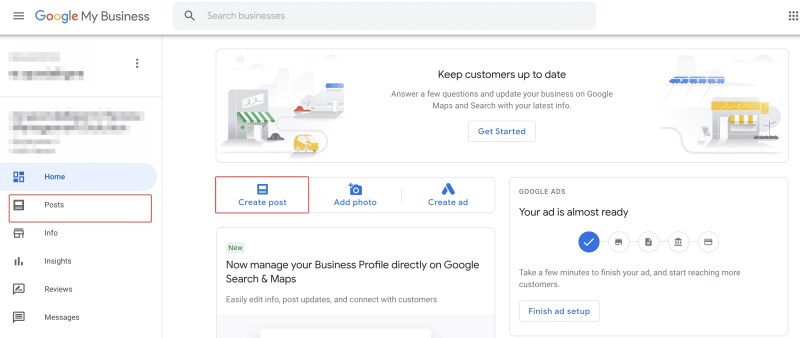
The Complete Overview of Writing a Google Review for Businesses
The foundation of any effective Google review lies in its structure: clarity, relevance, and emotional resonance. A review that merely states "Great service!" may earn a star, but it fails to engage the algorithm or the reader. Google’s review system prioritizes writing a Google review for businesses that provides actionable insights—whether it’s praising a specific employee, describing a unique product feature, or highlighting a flaw that the business can address. The goal isn’t just to leave feedback; it’s to create a narrative that others will find useful.
For businesses, this means monitoring reviews not just for sentiment, but for patterns. A surge in complaints about long wait times might signal operational inefficiencies, while repeated praise for a "friendly staff" suggests an area to double down on. Customers, on the other hand, should treat reviews as an opportunity to contribute to a larger conversation—one that shapes the business’s trajectory. The most impactful reviews balance honesty with tact, offering constructive criticism when necessary without resorting to vitriol.
Historical Background and Evolution
The concept of online reviews predates Google, emerging in the early 2000s with platforms like Epinions and Yelp. However, Google Reviews—launched in 2010 as part of Google Places—revolutionized the landscape by integrating directly with search results. This shift turned reviews into a dual-purpose tool: a social proof mechanism and a local SEO ranking factor. Businesses that actively encouraged writing a Google review for businesses saw immediate benefits in visibility, as Google began surfacing reviews in knowledge panels and map listings.
Over time, the platform evolved to combat fake reviews, implementing verification systems (like phone number confirmation) and spam filters. Today, Google’s algorithm favors reviews that demonstrate genuine engagement—such as those with photos, detailed text, or responses from the business. The rise of mobile reviews further democratized the process, allowing customers to leave feedback instantly after a transaction. This evolution underscores a critical truth: writing a Google review for businesses is no longer optional; it’s a cornerstone of digital reputation management.
Core Mechanisms: How It Works
Google’s review system operates on two layers: user-generated content and algorithmic curation. When a customer leaves a review, Google assesses its authenticity by checking for duplicate IP addresses, unusual writing patterns, or rapid-fire submissions. Reviews that pass this initial filter are then analyzed for relevance—meaning they must pertain to the business’s core offerings. A review about a café’s "amazing Wi-Fi" might not carry as much weight as one discussing the food quality, even if both are positive.
For businesses, the mechanics extend beyond just collecting reviews. Google’s "Review Replies" feature allows owners to respond, which can boost a review’s visibility and signal active engagement. Additionally, businesses can use Google’s "Review Shortcuts" to prompt customers via email or SMS after a purchase, streamlining the process of writing a Google review for businesses. The system also prioritizes recent reviews, making timely feedback more influential than older posts. Understanding these mechanics helps both customers and businesses optimize their approach.
Key Benefits and Crucial Impact
The impact of a well-crafted Google review extends far beyond the stars. For customers, leaving feedback builds a sense of contribution—knowing their experience will help others make informed decisions. For businesses, a steady stream of positive reviews enhances trust, reduces bounce rates, and improves conversion rates. Studies show that businesses with over 100 reviews see a 27% increase in clicks from search results, proving that volume and quality matter equally.
Beyond metrics, reviews serve as a real-time focus group. A business might notice that customers consistently praise its "eco-friendly packaging" but rarely mention its loyalty program—an insight that could reshape marketing strategies. Conversely, negative reviews, when handled professionally, can turn detractors into loyalists. The key is to encourage writing a Google review for businesses that provides actionable feedback, not just opinions.
"A single negative review can cost a business 30 potential customers, but a thoughtful response can recover 23% of them." — Harvard Business Review
Major Advantages
- SEO Boost: Google prioritizes businesses with high-quality, recent reviews in local search results, improving organic visibility.
- Trust Signals: Prospective customers are 90% more likely to convert if a business has 4+ stars across 10+ reviews.
- Customer Insights: Detailed reviews reveal pain points and preferences, guiding product/service improvements.
- Competitive Edge: Businesses with more reviews often outrank competitors, even with similar products.
- Reputation Management: Addressing negative feedback publicly demonstrates accountability and can mitigate damage.
Comparative Analysis
| Factor | Google Reviews vs. Other Platforms |
|---|---|
| Integration with Search | Directly appears in Google Maps/knowledge panels; no need to redirect users. |
| Verification Process | Requires phone/email confirmation; harder to fake than Yelp or Facebook. |
| Business Response Tools | Allows public replies, which can improve review visibility and customer trust. |
| Algorithm Influence | Reviews impact local SEO rankings; other platforms focus on social proof only. |

Future Trends and Innovations
The next frontier of Google Reviews will likely focus on writing a Google review for businesses with richer media integration. Voice reviews, AI-generated summaries, and interactive Q&A sections could become standard, making feedback more dynamic. Additionally, Google may introduce sentiment analysis tools that flag reviews needing attention, allowing businesses to proactively address issues. For customers, expect more personalized review prompts—such as post-purchase emails tailored to their purchase history—to encourage detailed feedback.
Businesses should also prepare for greater transparency in review authenticity. As deepfake technology advances, Google may implement liveness checks or biometric verification to ensure reviews remain trustworthy. Meanwhile, the rise of "review pods" (groups of customers leaving coordinated feedback) could lead to stricter moderation. Staying ahead means embracing these changes early—whether by adopting review management software or training staff to respond to feedback strategically.
Conclusion
The power of writing a Google review for businesses lies in its dual role as both a customer service tool and a marketing asset. For individuals, it’s an opportunity to shape perceptions and support local economies. For businesses, it’s a window into customer satisfaction and a lever for growth. The reviews that stand out are those that go beyond the basics—combining specificity, authenticity, and a touch of storytelling.
As digital interactions become more central to commerce, the ability to craft meaningful reviews will only grow in importance. Whether you’re a customer leaving feedback or a business owner monitoring responses, the goal remains the same: build trust, foster loyalty, and turn every review into a conversation starter. The businesses that master this will thrive in an era where reputation is currency.
Comprehensive FAQs
Q: Can businesses pay for Google Reviews?
A: No. Google prohibits incentivizing reviews with payments, discounts, or gifts. However, businesses can encourage organic reviews through polite follow-ups (e.g., "We’d love your feedback!") or by improving service to earn genuine praise.
Q: How do I write a review that stands out?
A: Focus on specifics—mention the name of a staff member, a unique product feature, or an exceptional detail (e.g., "The barista remembered my coffee order"). Avoid generic praise like "Great place!" and include photos or emojis for extra engagement.
Q: What if I have a bad experience but want to leave a review?
A: Frame criticism constructively. Instead of "The food was terrible," try "The pasta was overcooked, but the ambiance made up for it." This approach is more likely to prompt a response from the business and may lead to a resolution.
Q: Do businesses see who wrote negative reviews?
A: No, Google keeps reviewer identities anonymous to businesses (unless the reviewer chooses to share contact info). However, businesses can see the reviewer’s location (city-level) and the date/time of the review.
Q: How often should businesses respond to reviews?
A: Aim to respond within 24–48 hours for positive reviews and immediately for negative ones. Even a simple "Thank you!" shows engagement. For complaints, offer a solution (e.g., a refund or follow-up) to demonstrate commitment to customer satisfaction.
Q: Can I delete a Google review after posting?
A: Yes, but only if you flag it as inappropriate (e.g., spam, profanity). Google may remove it if it violates policies. However, once published, reviews are permanently visible in search results unless reported.
Leave a Comment
Comments are moderated before appearing. The data you submit is processed according to the Privacy Policy of versiliasolutions.oneagency.co.