The Best Free Plant Identification App in 2024: Accuracy, Features & Expert Picks
Table of Contents
- The Complete Overview of the Best Free Plant Identification App
- Historical Background and Evolution
- Core Mechanisms: How It Works
- Key Benefits and Crucial Impact
- Major Advantages
- Comparative Analysis
- Future Trends and Innovations
- Conclusion
- Comprehensive FAQs
- Q: Can the best free plant identification app work without an internet connection?
- Q: How accurate are these apps compared to a botanist?
- Q: Are there any privacy concerns with using plant ID apps?
- Q: Can these apps identify indoor plants like succulents or ferns?
- Q: Do free plant identification apps have limitations compared to paid versions?
The world of botany has been revolutionized by technology, and the best free plant identification app now sits in every gardener’s pocket. No longer do you need to flip through heavy field guides or consult experts—just snap a photo, and an AI-powered tool will reveal the name, care tips, and even ecological significance of the plant before you. These apps bridge the gap between curiosity and expertise, making plant identification accessible to hobbyists, urban gardeners, and conservationists alike.
Yet not all apps are created equal. Some rely on outdated databases, while others offer real-time updates from global botanists. The right best free plant identification app can transform a casual stroll into a learning experience, turning every leaf and bloom into a lesson. Whether you’re troubleshooting a dying houseplant or mapping wildflowers for a research project, the tools you choose determine the accuracy of your discoveries.
The demand for reliable plant ID solutions has never been higher. With climate change altering ecosystems and invasive species spreading rapidly, having a trusted digital assistant is no longer optional—it’s essential. But how do you separate the good from the merely functional? This guide cuts through the noise, examining the mechanics, benefits, and future of the top free plant identification apps, so you can make an informed choice.
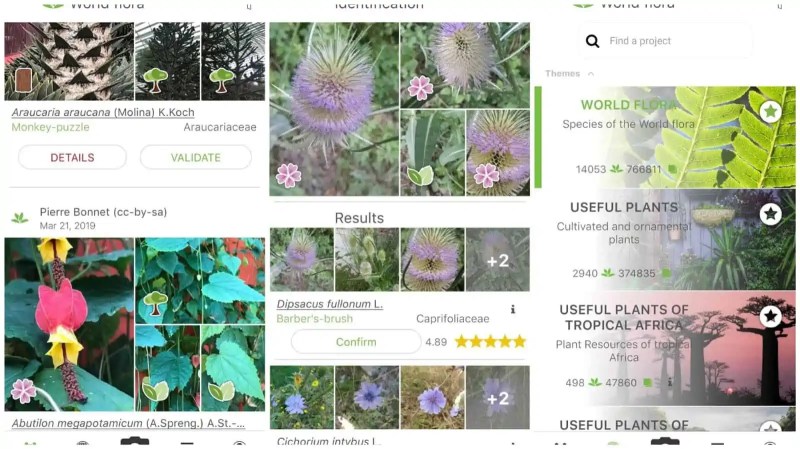
The Complete Overview of the Best Free Plant Identification App
The best free plant identification app is more than just a photo-recognition tool—it’s a gateway to understanding biodiversity. These applications leverage machine learning, crowdsourced data, and partnerships with botanical institutions to deliver results that rival traditional identification methods. What sets them apart is their ability to combine ease of use with scientific rigor, often integrating features like plant care guides, toxicity warnings, and even seed-saving tips.Behind every great app lies a complex ecosystem of developers, taxonomists, and citizen scientists. The most effective free plant identification apps don’t operate in isolation; they tap into global databases like the Global Biodiversity Information Facility (GBIF) or collaborate with universities to refine their algorithms. This ensures that when you upload an image of a rare orchid or a mysterious weed, the app isn’t just guessing—it’s cross-referencing your query with verified sources.
Historical Background and Evolution
The journey of plant identification apps began in the early 2010s, when early mobile devices gained cameras capable of capturing high-resolution images. The first iterations were rudimentary, relying on basic image-matching techniques that often misidentified plants due to poor lighting or angle. However, the real breakthrough came with the advent of deep learning, where apps like PlantNet (launched in 2013) started using convolutional neural networks to analyze plant structures with unprecedented precision.Today’s best free plant identification app stands on the shoulders of these pioneers, incorporating advancements like augmented reality (AR) overlays and community-driven updates. Apps now don’t just name plants—they provide growth stages, regional variations, and even historical distribution maps. This evolution reflects a broader shift in how technology interacts with nature, moving from passive identification to active engagement with ecological data.
Core Mechanisms: How It Works
At its core, the best free plant identification app functions through a multi-step process. First, the app captures an image of the plant, focusing on key features like leaf shape, flower structure, and bark texture. These visual cues are then processed through a neural network trained on millions of labeled plant images. The algorithm compares your upload to its database, factoring in variables like geographic location (if enabled) to narrow down possibilities.What makes modern apps so effective is their ability to learn from user feedback. If a plant is misidentified, contributors can correct the app’s database, improving future accuracy. Some advanced systems even use spectral analysis or UV imaging to detect hidden patterns invisible to the naked eye. This blend of AI and human input ensures that the free plant identification app you rely on today will only get smarter tomorrow.
Key Benefits and Crucial Impact
The impact of the best free plant identification app extends far beyond personal curiosity. For urban gardeners, these tools reduce waste by helping identify pests or diseases before they spread. For conservationists, they enable rapid species monitoring in threatened habitats. Even educators use them to turn classrooms into interactive botanical labs. The democratization of plant knowledge has never been more accessible—or more necessary.The value of these apps lies in their ability to turn passive observation into active stewardship. Whether you’re a homeowner pruning a hedge or a researcher tracking invasive species, the right free plant identification app provides instant, actionable insights. This isn’t just about naming a plant; it’s about understanding its role in the ecosystem and how to protect it.
"The best free plant identification app doesn’t just tell you what a plant is—it tells you why it matters." — Dr. Elena Vasquez, Botanical Informatics Specialist, Royal Botanic Gardens, Kew
Major Advantages
- Instant Accuracy: Top apps now achieve over 90% identification success rates for common species, rivaling expert botanists in many cases.
- Educational Integration: Features like growth timelines and care guides turn identification into a learning experience.
- Community Collaboration: User corrections and regional updates ensure databases stay current with real-world changes.
- Ecological Applications: Some apps integrate with citizen science projects, allowing users to contribute to biodiversity research.
- Offline Capabilities: Many offer downloadable databases for fieldwork in areas with poor connectivity.
Comparative Analysis
| App Name | Key Strengths |
|---|---|
| Google Lens (Plant ID) | Seamless integration with Google Search; excellent for common plants and garden varieties. Best for quick, casual use. |
| iNaturalist | Community-driven; ideal for researchers and conservationists. Strongest in tracking rare or invasive species. |
| PictureThis | Beginner-friendly with care tips; uses AR for plant placement suggestions. Best for home gardeners. |
| PlantNet | Open-source; backed by scientific institutions. Best for serious botanists and fieldwork. |

Future Trends and Innovations
The next generation of best free plant identification apps will likely incorporate drone imagery and satellite data to monitor large-scale plant health. Imagine an app that not only identifies a tree but also predicts its lifespan based on climate trends. Advances in portable spectroscopy could allow users to scan chemical compositions, distinguishing between edible and toxic lookalikes in seconds.Another frontier is the fusion of plant ID with smart home ecosystems. Apps may soon sync with soil sensors or weather APIs, providing hyper-localized care advice. As AI models become more specialized, we’ll see apps tailored to specific regions or even individual gardeners’ plant collections—personalized botanical assistants that grow with you.
Conclusion
Choosing the best free plant identification app depends on your needs. Gardeners may prioritize care guides, while researchers will value data-sharing features. Regardless of your goal, these tools represent a leap forward in how we interact with the natural world. They’re not just replacing field guides—they’re evolving them into dynamic, interactive experiences.The future of plant identification is here, and it’s free, accurate, and at your fingertips. Whether you’re a weekend forager or a professional ecologist, the right app can turn every outing into an opportunity to learn, conserve, and connect with nature.
Comprehensive FAQs
Q: Can the best free plant identification app work without an internet connection?
A: Many apps, like PlantNet and PictureThis, offer offline databases for basic identification. However, advanced features (e.g., community updates) typically require connectivity. Always check the app’s settings to enable offline mode before heading into remote areas.
Q: How accurate are these apps compared to a botanist?
A: Modern apps achieve 85–95% accuracy for common plants, but rare or hybrid species may still pose challenges. For critical identifications (e.g., poisonous lookalikes), always cross-reference with a local expert or multiple sources.
Q: Are there any privacy concerns with using plant ID apps?
A: Most apps require image uploads, which may raise privacy questions. Opt for apps with transparent data policies (e.g., iNaturalist’s open-source model) or use offline-capable tools like PlantSnap if privacy is a priority.
Q: Can these apps identify indoor plants like succulents or ferns?
A: Yes, but success depends on image quality. Apps like PictureThis excel with indoor plants due to their focus on garden varieties. Ensure good lighting and clear shots of distinctive features (e.g., leaf veins, flower structures).
Q: Do free plant identification apps have limitations compared to paid versions?
A: Free versions often cap features like advanced care guides or ad-free experiences. However, the core identification function remains robust. For example, PictureThis’s free tier covers most needs, while its paid version unlocks AR planting suggestions.
Leave a Comment
Comments are moderated before appearing. The data you submit is processed according to the Privacy Policy of versiliasolutions.oneagency.co.