Do I Need Contents Insurance When Renting? The Definitive Breakdown
Table of Contents
- The Complete Overview of Contents Insurance for Renters
- Historical Background and Evolution
- Core Mechanisms: How It Works
- Key Benefits and Crucial Impact
- Major Advantages
- Comparative Analysis
- Future Trends and Innovations
- Conclusion
- Comprehensive FAQs
- Q: Is contents insurance legally required when renting?
- Q: Will my landlord’s insurance cover my belongings?
- Q: How much does contents insurance cost for renters?
- Q: What’s not covered by standard contents insurance?
- Q: Can I get contents insurance if I’m renting a room in a shared house?
- Q: What should I do if my rental is burgled and I don’t have insurance?
- Q: Does contents insurance cover accidental damage like spilling wine on a carpet?
When you sign a rental agreement, the landlord’s insurance rarely extends to your belongings. A single flood, burglary, or accidental fire could wipe out years of savings in an instant—yet many tenants overlook do I need contents insurance when renting until disaster strikes. The answer isn’t binary: it depends on your risk tolerance, the value of your possessions, and whether you’re willing to gamble with financial security. For example, a student renting a shared flat might assume their £500 laptop is replaceable, but a professional with £20,000 worth of electronics, furniture, and personal items faces a far different calculus. The reality is that do I need contents insurance when renting isn’t just about legality—it’s about mitigating a personal financial catastrophe.
The confusion often stems from misplaced assumptions. Some tenants believe their landlord’s policy covers their possessions, while others assume their parents’ home insurance will transfer. Neither is true. Landlord insurance typically protects the property structure and the landlord’s legal liabilities, not your TV or designer wardrobe. Meanwhile, most home insurance policies explicitly exclude rented properties. This gap leaves renters vulnerable to claims that could cost thousands—yet only 40% of UK tenants have contents insurance, according to recent industry reports. The question do I need contents insurance when renting isn’t just theoretical; it’s a practical decision that could save you from bankruptcy.
The stakes are higher than most realize. Consider the case of a tenant in Manchester whose flat was burgled in 2022. The thief made off with a £3,500 gaming setup, a £1,200 smart TV, and personal documents. Without insurance, the tenant had to dip into savings or take out a high-interest loan to replace essentials. Had they answered do I need contents insurance when renting affirmatively, the loss would have been covered for a fraction of the cost. The moral? Insurance isn’t just a safety net—it’s a financial firewall.
The Complete Overview of Contents Insurance for Renters
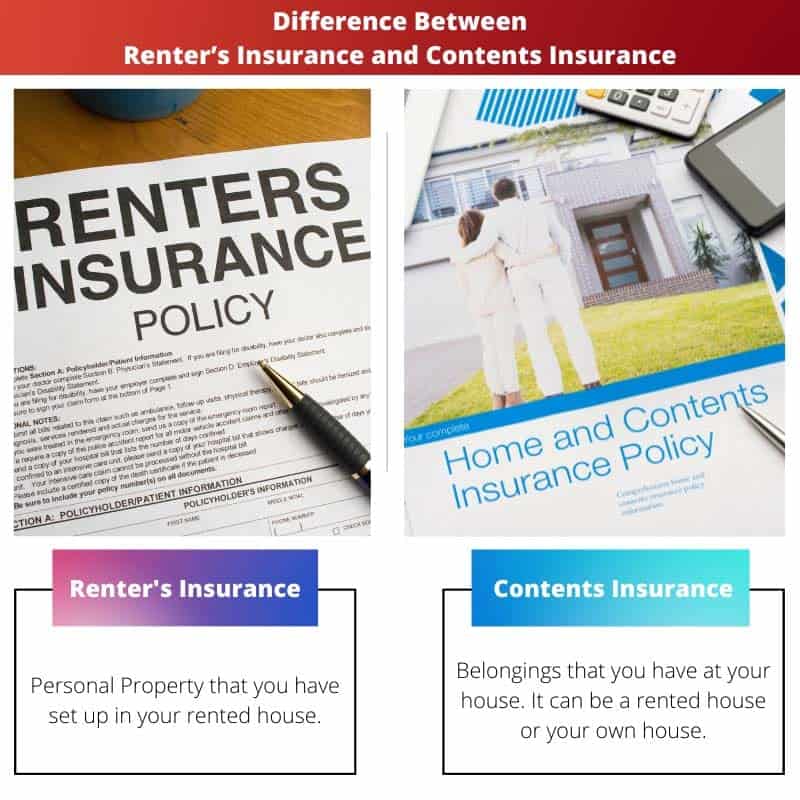
Contents insurance for renters is a specialized policy designed to protect personal belongings against theft, damage, or loss. Unlike home insurance, which covers the property itself, this type of cover focuses solely on the tenant’s possessions—from electronics and furniture to clothing and jewelry. The policy typically includes accidental damage (e.g., spilt wine ruining a sofa), malicious damage by visitors, and even some natural disasters, depending on the provider. However, the scope varies widely, which is why tenants must scrutinize the fine print when asking do I need contents insurance when renting.The cost of contents insurance is surprisingly affordable, often ranging from £5 to £20 per month for basic cover, scaling up to £30–£50 for comprehensive plans that include accidental damage and legal protection. For context, replacing a stolen laptop and smartphone could cost £1,500+, while a single fire incident might destroy £10,000+ worth of belongings. The question do I need contents insurance when renting thus boils down to whether you can afford to self-insure—because that’s effectively what you’re doing without it.
Historical Background and Evolution
The concept of contents insurance traces back to the 17th century, when London’s Great Fire of 1666 spurred the creation of early fire insurance policies. However, modern contents insurance for renters emerged in the 20th century as urbanization and higher-value possessions made personal property a lucrative risk for insurers. In the UK, the rise of shared housing and short-term rentals in the 1990s further highlighted the need for tenant-specific coverage, as landlords’ policies remained structurally focused.Today, the market has evolved with digital-first providers offering instant quotes and customizable cover. For example, platforms like LV= and Direct Line now allow tenants to bundle contents insurance with other policies, such as gadget cover or legal expenses. This shift reflects a broader trend: tenants no longer need to rely on traditional brokers to answer do I need contents insurance when renting. Yet, despite these advancements, misconceptions persist, particularly among younger renters who underestimate the cumulative value of their belongings.
Core Mechanisms: How It Works
Contents insurance operates on a claims-based system where the insurer reimburses the tenant for covered losses, minus any excess (typically £50–£250). Policies usually require the tenant to provide proof of ownership (receipts, photos, or valuations) for high-value items. For instance, if your £2,000 camera is stolen, you’d submit a claim with evidence, and the insurer would pay out the declared value—minus the excess—after verifying the loss.Most policies also include optional extras, such as:
Key Benefits and Crucial Impact
The primary benefit of contents insurance is financial protection against unforeseen events. Without it, a single incident could derail your budget for months. For example, replacing a stolen sofa and mattress might cost £800+, while a water leak damaging electronics could run into thousands. The peace of mind alone—knowing you won’t face crippling debt—is invaluable. Yet, the psychological impact is often underestimated: studies show that victims of theft or damage without insurance experience higher stress levels, akin to financial anxiety.Insurance also serves as a deterrent. Knowing your belongings are covered may discourage opportunistic theft or careless damage. Landlords, too, may require proof of contents insurance as part of the tenancy agreement, especially in high-risk areas. The question do I need contents insurance when renting thus intersects with legal obligations and practical risk management.
"Insurance isn’t an expense—it’s an investment in your financial stability. The cost of a policy pales in comparison to the cost of replacing everything you own." — Charlie Lloyd, Head of Tenant Protection, Aviva
Major Advantages
- Financial security: Covers the full replacement cost of stolen or damaged items, preventing personal bankruptcy.
- Legal compliance: Some landlords mandate contents insurance in the lease agreement to mitigate their liability.
- Flexibility: Policies can be tailored to include high-value items (e.g., jewelry, art) for an additional premium.
- Emergency support: Many insurers offer 24/7 assistance for lockouts, legal advice, or temporary housing.
- Tax efficiency: In some countries, premiums may be tax-deductible as part of rental expenses.
Comparative Analysis
| With Contents Insurance | Without Contents Insurance |
|---|---|
| Reimbursed for theft/damage up to policy limit. | Must pay out-of-pocket for replacements (potentially £1,000s). |
| Access to emergency services (e.g., locksmiths, legal aid). | No support; self-funded solutions (e.g., high-interest loans). |
| Landlord may waive certain liabilities (e.g., accidental damage). | Landlord’s policy won’t cover your belongings, increasing disputes. |
| Monthly cost: £5–£50 (varies by coverage). | Potential lifetime cost: £5,000+ in worst-case scenarios. |

Future Trends and Innovations
The contents insurance market is shifting toward tech-driven solutions. Insurtech firms are leveraging AI to assess risk in real time, offering dynamic pricing based on factors like neighborhood crime rates or smart home security. For example, tenants with smart locks or CCTV may qualify for discounts, addressing the question do I need contents insurance when renting with data-backed affordability.Another trend is the rise of "pay-as-you-go" insurance, where tenants can activate cover for specific periods (e.g., during holidays) or high-risk events (e.g., house parties). This modular approach aligns with the gig economy’s flexibility, though it may not suit long-term renters seeking comprehensive protection. As climate risks intensify, insurers are also expanding coverage for extreme weather events, though premiums may rise in flood-prone areas.
Conclusion
The answer to do I need contents insurance when renting is unequivocal for most tenants: yes. The only exceptions might be those with minimal possessions or the financial means to replace them instantly—a rare scenario. Even then, the intangible benefits—peace of mind, legal protection, and emergency support—make insurance a no-brainer. The cost is a drop in the ocean compared to the alternative: a lifetime of debt or homelessness after a single catastrophic event.Before signing a rental agreement, review the fine print. Ask your landlord if contents insurance is required, but don’t assume it’s optional. Calculate the total value of your belongings and compare it to the cost of insurance. If the math doesn’t add up, you’re gambling with your future. In an era where personal wealth is increasingly tied to portable assets, do I need contents insurance when renting is less a question of choice and more a matter of responsible living.
Comprehensive FAQs
Q: Is contents insurance legally required when renting?
A: No, it’s not legally mandatory in most countries, but some landlords include it as a clause in the tenancy agreement. Even if not required, skipping it leaves you financially exposed to theft, fire, or accidental damage.
Q: Will my landlord’s insurance cover my belongings?
A: Almost never. Landlord insurance typically covers the property structure and their legal liabilities, not your personal items. Always confirm this in writing to avoid disputes.
Q: How much does contents insurance cost for renters?
A: Basic policies start at £5–£10/month, while comprehensive cover (including accidental damage) ranges from £15–£50/month. Costs depend on the value of your possessions and location.
Q: What’s not covered by standard contents insurance?
A: Most policies exclude intentional damage (e.g., vandalism by you), business equipment, and high-value items unless declared separately. Always check for exclusions like wear-and-tear or pre-existing conditions.
Q: Can I get contents insurance if I’m renting a room in a shared house?
A: Yes, many insurers offer room-specific policies. You’ll need to declare the shared nature of the property, and coverage may exclude items stored in communal areas unless specified.
Q: What should I do if my rental is burgled and I don’t have insurance?
A: File a police report immediately, then assess whether you can afford replacements. Without insurance, you’ll need to liquidate savings, take out loans, or rely on family support—options that can spiral into long-term debt.
Q: Does contents insurance cover accidental damage like spilling wine on a carpet?
A: Only if you’ve opted for an "accidental damage" add-on. Basic policies usually exclude such incidents unless specified. Always review the policy wording when asking do I need contents insurance when renting for full protection.
Leave a Comment
Comments are moderated before appearing. The data you submit is processed according to the Privacy Policy of versiliasolutions.oneagency.co.