The Greatest Cover of All Time: How Art Transcends Music
Table of Contents
- The Complete Overview of the Greatest Cover of All Time
- Historical Background and Evolution
- Core Mechanisms: How It Works
- Key Benefits and Crucial Impact
- Major Advantages
- Comparative Analysis
- Future Trends and Innovations
- Conclusion
- Comprehensive FAQs
- Q: What makes a cover "the greatest of all time"?
- Q: Can a digital or NFT cover ever be considered the greatest?
- Q: Which cover is most frequently debated as the "greatest"?
- Q: How do artists collaborate with designers to create iconic covers?
- Q: Are there any covers that were initially rejected but later became iconic?
- Q: How has streaming changed the role of album covers?
The first time you see Sgt. Pepper’s Lonely Hearts Club Band, you don’t just recognize an album—you recognize a moment. The psychedelic collage of faces, the vibrant typography, the way it feels like a portal into another era—this isn’t just packaging; it’s an artistic statement that rewrote the rules for what a greatest cover of all time could achieve. Decades later, its influence lingers in every holographic vinyl sleeve, every digital art album, and every designer’s obsession with making covers as immersive as the music inside.
But why does one album cover stand above the rest? It’s not just about visuals. The greatest covers of all time—whether The Dark Side of the Moon, Pet Sounds, or Nevermind—are cultural artifacts that reflect the zeitgeist, challenge conventions, and become shorthand for an entire movement. They’re the difference between an album being forgotten and becoming a legend. The best ones don’t just accompany music; they define it, shaping how we perceive the artist, the era, and even the medium itself.
There’s a science to it, too. The most iconic album art masterpieces balance simplicity with depth, using negative space, symbolism, or raw emotion to communicate in seconds what pages of liner notes might fail to convey. Some rely on surrealism (The Velvet Underground & Nico), others on minimalism (OK Computer), and a few on sheer audacity (The White Album’s chaotic typography). What they all share is an ability to transcend their original context, becoming symbols that outlive the music—and sometimes, the artists themselves.
The Complete Overview of the Greatest Cover of All Time
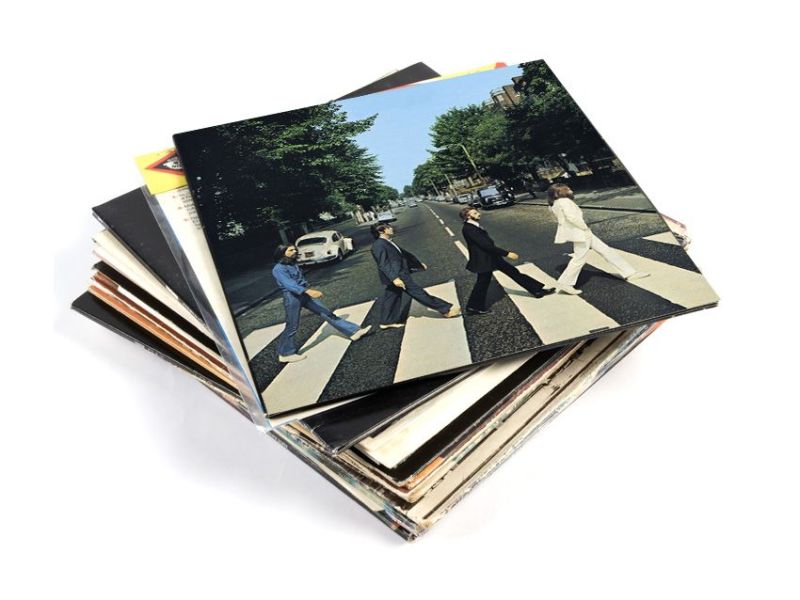
The greatest cover of all time isn’t just a piece of art; it’s a cultural touchstone. It’s the visual equivalent of a perfect song—immediate, memorable, and layered with meaning. These covers often become more famous than the albums themselves, appearing in museums, memes, and even legal battles (see: the Abbey Road crossing copyright disputes). They’re the difference between an album being a footnote and a phenomenon, like Thriller’s eerie silhouette or Born to Run’s surreal highway, which feels like a metaphor for the American Dream itself.What makes a cover the greatest isn’t just its design but its ability to evolve with time. Sgt. Pepper was revolutionary in 1967, but its genius lies in how it still feels fresh today—proof that the best iconic album covers aren’t just products of their time but timeless works. They’re also a business strategy: a well-designed cover can boost sales, spark fan theories, and even become a collectible (see: The Beatles’ Yellow Submarine as a children’s book). The greatest covers don’t just sell records; they sell ideas.
Historical Background and Evolution
The evolution of album art mirrors the history of music itself. In the 1950s, covers were often simple—band photos, typography, or abstract shapes—reflecting the era’s focus on rock ‘n’ roll’s raw energy. But by the 1960s, artists and designers began treating covers as canvases. The Beatles’ Revolver (1966) introduced psychedelic elements, while The Velvet Underground & Nico’s banana cover (1966) was a provocative statement against commercialism. These weren’t just sleeves; they were manifestos.The 1970s and 1980s saw covers become more conceptual. Pink Floyd’s Dark Side of the Moon (1973) used prismatic light and geometric shapes to symbolize the album’s themes of time and perception. Meanwhile, Michael Jackson’s Thriller (1982) turned horror into high art, blending cinematic storytelling with pop spectacle. The 1990s brought grunge’s raw aesthetic (Nevermind’s baby floating in a box) and hip-hop’s bold typography (Nas’ Illmatic). Each era’s greatest covers didn’t just reflect the music—they shaped it, pushing boundaries in photography, typography, and digital design.
Core Mechanisms: How It Works
The mechanics behind the greatest cover of all time are a mix of psychology, design, and cultural timing. First, simplicity—the best covers communicate instantly. The Beatles’ Abbey Road uses negative space and symmetry to create a sense of movement, while David Bowie’s The Rise and Fall of Ziggy Stardust distills his alter ego into a single, striking image. Second, symbolism—every element should mean something. The broken guitar on Led Zeppelin IV isn’t just a logo; it’s a metaphor for the band’s mythos.Finally, context matters. A cover that feels groundbreaking in 1970 might look dated today, but the greatest ones transcend their time. Radiohead’s OK Computer (1997) used a distorted, almost apocalyptic image to reflect the anxieties of the digital age—decades later, it still feels prophetic. The best covers don’t just sell albums; they become part of the cultural conversation, proving that great art is never just about aesthetics.
Key Benefits and Crucial Impact
The impact of the greatest cover of all time extends far beyond the music industry. These visuals shape how we remember artists, influence fashion and design trends, and even become subjects of legal and ethical debates. For example, The Beatles’ Abbey Road crossing has been replicated in countless tributes, from weddings to protests, turning a simple photograph into a global symbol. Meanwhile, Nirvana’s Nevermind cover—with its baby emerging from a plastic world—became a metaphor for the disillusionment of Generation X.The psychological effect is undeniable. Studies show that people are more likely to remember an album (and its music) if the cover is visually striking. A well-designed cover can also elevate an artist’s brand, turning them into cultural icons. Take Kanye West’s My Beautiful Dark Twisted Fantasy—the gothic, almost baroque aesthetic reinforced his image as a visionary, not just a musician.
“A great album cover is like a great song—it should feel inevitable, like it had to be that way. It’s not just about looking good; it’s about meaning something.” — Shepard Fairey, artist behind Obey Giant and Hope poster
Major Advantages
- Instant Recognition: The greatest covers become shorthand for entire careers (Pink Floyd’s prism, The Rolling Stones’ tongue).
- Cultural Legacy: They outlive the music, appearing in museums, memes, and even political movements.
- Commercial Value: Limited editions, vinyl reissues, and merchandise tied to iconic covers generate millions.
- Artistic Freedom: They allow artists to experiment beyond traditional songwriting, turning albums into multimedia experiences.
- Emotional Connection: The best covers evoke nostalgia, mystery, or rebellion—making the listener feel like an insider.
Comparative Analysis
| Cover | Why It Stands Out |
|---|---|
| Sgt. Pepper’s Lonely Hearts Club Band (1967) | Psychedelic collage, cultural satire, and a visual manifesto for the 1960s counterculture. |
| Nevermind (1991) | Raw, surreal imagery that defined grunge’s anti-establishment ethos and became a global symbol. |
| The Dark Side of the Moon (1973) | Minimalist yet profound, using light and geometry to reflect the album’s themes of time and perception. |
| Thriller (1982) | Cinematic horror-meets-pop, blending visual storytelling with mass-market appeal. |

Future Trends and Innovations
The future of album art is being redefined by digital innovation. With the rise of NFTs, artists like Grimes and Kings of Leon have turned covers into interactive, collectible experiences. Virtual reality could allow fans to "step into" album art, while AI-generated designs might blur the line between human creativity and algorithmic artistry. However, the greatest challenge—and opportunity—lies in preserving the human element. The best covers of all time felt personal, whether it was Bob Dylan’s handwritten Bringing It All Back Home or Björk’s avant-garde Homogenic. As technology evolves, the question remains: Can a digital cover ever feel as alive as the greatest analog ones?Another trend is sustainability. With vinyl making a comeback, eco-conscious artists are opting for biodegradable materials or minimalist designs that reduce waste. The greatest covers of the future might not just be visually stunning but also ethically conscious, proving that art and responsibility can coexist.
Conclusion
The greatest cover of all time isn’t just a piece of art—it’s a cultural landmark. It’s the visual equivalent of a perfect chord, resonating across generations and mediums. From Sgt. Pepper’s psychedelic revolution to Nevermind’s grunge rebellion, these covers don’t just accompany music; they elevate it, turning albums into events. They remind us that great design isn’t just about aesthetics but about meaning—whether it’s a metaphor for societal change or a simple, beautiful image that stays with you forever.As music continues to evolve, so too will its packaging. But the core principle remains: the greatest covers of all time will always be those that feel necessary—like they had to exist in that exact moment, for that exact audience. And that’s a legacy no algorithm, no trend, and no technological advancement can ever replicate.
Comprehensive FAQs
Q: What makes a cover "the greatest of all time"?
A: The greatest cover of all time combines visual impact, cultural relevance, and timeless design. It should feel instantly recognizable, evoke emotion, and transcend its original context—whether through symbolism (Dark Side of the Moon), simplicity (OK Computer), or sheer audacity (The White Album). It’s not just about being "pretty"; it’s about meaning something deeper.
Q: Can a digital or NFT cover ever be considered the greatest?
A: While digital and NFT covers push creative boundaries (like Grimes’s interactive Miss Anthropocene), the greatest covers of all time have often relied on tactile, physical presence—vinyl sleeves, collages, or photography that feel alive in a way code can’t replicate. However, if a digital cover sparks cultural conversation or redefines how we experience music, it could earn that title in the future.
Q: Which cover is most frequently debated as the "greatest"?
A: The Beatles’ Sgt. Pepper’s Lonely Hearts Club Band and Nevermind by Nirvana are the most commonly cited contenders. Sgt. Pepper wins for its revolutionary design and cultural impact, while Nevermind represents raw, anti-establishment artistry. Polls often vary, but these two consistently top lists due to their influence on music and pop culture.
Q: How do artists collaborate with designers to create iconic covers?
A: The best collaborations blend the artist’s vision with the designer’s technical skill. For example, David Bowie worked closely with designers like Mick Rock to create covers that matched his ever-changing personas. Radiohead’s OK Computer emerged from a brainstorming session where Thom Yorke sketched the distorted face, then handed it to the design team. The key is mutual trust—artists must give designers creative freedom while ensuring the final product aligns with their artistic identity.
Q: Are there any covers that were initially rejected but later became iconic?
A: Yes! The White Album by The Beatles was nearly given a plain white cover, but the band’s infighting led to a chaotic, multi-artist collage that became legendary. Similarly, Pink Floyd’s The Dark Side of the Moon was almost titled Dark Side of the Moon: A Piece for Assorted Lunatics, but the final cover’s simplicity was a last-minute decision that defined the album’s mystique.
Q: How has streaming changed the role of album covers?
A: With streaming, covers are often seen as tiny thumbnails, reducing their impact—but they still matter. Artists like Taylor Swift and The Weeknd use covers to reinforce branding, while independent musicians rely on striking visuals to stand out in crowded playlists. The greatest covers now must work at both album and thumbnail scale, proving that even in a digital age, first impressions are everything.
Leave a Comment
Comments are moderated before appearing. The data you submit is processed according to the Privacy Policy of versiliasolutions.oneagency.co.