The Greatest Covers of All Time: Art, Rebellion, and Iconic Reinvention
Table of Contents
- The Complete Overview of the Greatest Covers of All Time
- Historical Background and Evolution
- Core Mechanisms: How It Works
- Key Benefits and Crucial Impact
- Major Advantages
- Comparative Analysis
- Future Trends and Innovations
- Conclusion
- Comprehensive FAQs
- Q: What makes an album cover "iconic"?
- Q: Which album cover is the most expensive ever sold?
- Q: Can a digital-only album have a great cover?
- Q: Who are the most influential album cover artists?
- Q: How do album covers influence music sales?
- Q: Are there any album covers that were controversial at release?
Album covers are more than gatekeepers to music—they’re silent narrators of an era’s soul. A single image can encapsulate the raw energy of punk, the mystique of jazz, or the surrealism of psychedelia. The greatest covers of all time don’t just sell records; they redefine them, embedding themselves into collective memory like a tattoo on the cultural zeitgeist. Take The Dark Side of the Moon—its prismatic gradient isn’t just art; it’s a visual metaphor for the album’s existential themes. Or consider Pet Sounds, where the pastel, childlike illustration mirrors the innocence and melancholy of Brian Wilson’s compositions. These aren’t mere packaging; they’re statements.
The power of a cover lies in its ability to mean before the first note plays. A well-crafted design can evoke emotion, challenge norms, or even predict a movement’s trajectory. The Velvet Underground & Nico sleeve, with its banana peel and cryptic text, wasn’t just provocative—it was a manifesto for underground art. Meanwhile, Thriller’s eerie, cinematic portrait of Michael Jackson didn’t just promise a dance floor anthem; it promised a cultural phenomenon. The greatest covers of all time operate at this intersection of form and function, where visual language becomes as vital as the music itself.
Yet not all iconic covers are created equal. Some are born from necessity—limited budgets, last-minute changes, or a designer’s spontaneous genius. Others are the result of meticulous collaboration between artist and visionary (like Storm Thorgerson’s work for Pink Floyd). What unites them is their defiance of convention. They refuse to be just "pretty"—they demand to be seen, interpreted, and debated. This is why, decades later, fans still argue over whether Sgt. Pepper’s is a revolution in studio photography or a static portrait of the band. The debate itself is part of the cover’s legacy.
The Complete Overview of the Greatest Covers of All Time
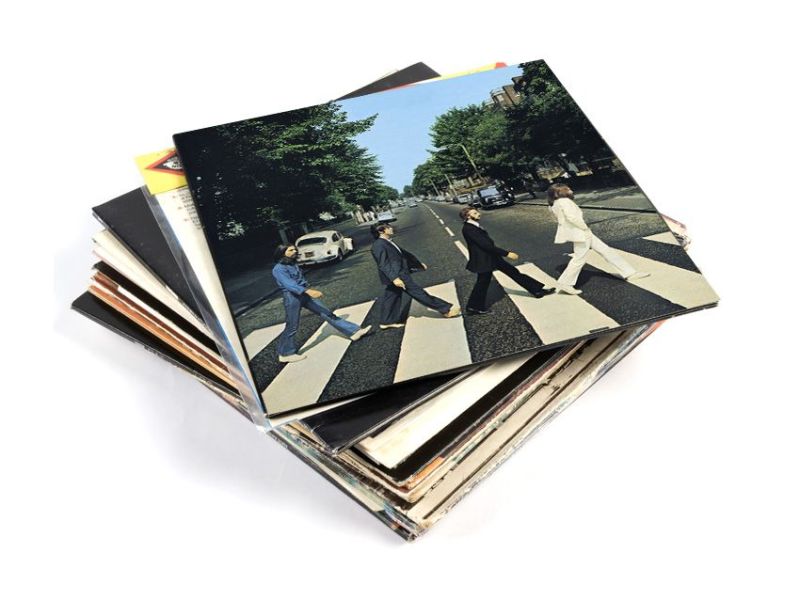
The greatest covers of all time are not just artifacts of their eras—they’re time capsules. Each one reflects the technological, social, and artistic currents of its moment while transcending them. Led Zeppelin IV’s eagles and runes, for instance, were a nod to myth and mysticism in the late 1960s, but their enduring mystique has made them a symbol of rock’s untamed spirit. Conversely, Daft Punk’s Random Access Memories cover—a sleek, minimalist grid of binary code—mirrors the digital age’s obsession with data and algorithmic artistry. These covers don’t just accompany music; they shape how we perceive it.What makes a cover "great" is subjective, but certain criteria emerge: uniqueness (no other design could have conveyed the same idea), timelessness (it doesn’t feel dated), and cultural resonance (it sparks conversations beyond the album’s release). The Beatles’ Abbey Road crossing, for instance, is instantly recognizable, but its simplicity belies its genius—it’s a snapshot of a moment, frozen in time. Meanwhile, Radiohead’s Kid A cover, a distorted, abstract portrait of the band, feels like a visual representation of the album’s sonic experimentation. The greatest covers of all time don’t just accompany music; they evolve with it, becoming part of the listening experience itself.
Historical Background and Evolution
The evolution of album covers mirrors the medium’s own transformation. Early rock ‘n’ roll and jazz albums often relied on stock photography or generic illustrations, reflecting the industry’s focus on the music over the packaging. But as rock became more ambitious, so did its visuals. The 1960s marked a turning point: The Beatles’ Sgt. Pepper’s Lonely Hearts Club Band (1967) wasn’t just a cover—it was a multimedia event, blending photography, collage, and typography into a single, immersive piece. This shift signaled that album art could be as experimental as the music within.The 1970s and 1980s saw covers become bolder, often reflecting the era’s political and artistic upheavals. Pink Floyd’s Animals (1977), with its inflatable pig, was a direct commentary on societal decay. Meanwhile, Prince’s Purple Rain cover—a close-up of his face, eyes closed, lips parted—was pure, unfiltered charisma, embodying the artist’s larger-than-life persona. The 1990s brought a new wave of minimalism and irony, from Nirvana’s Nevermind’s submerged baby (a symbol of disillusionment) to Radiohead’s OK Computer’s eerie, otherworldly imagery. Each decade’s greatest covers of all time don’t just document music—they document history.
Core Mechanisms: How It Works
The magic of the greatest covers of all time lies in their ability to communicate before the listener hears a note. This is achieved through three key mechanisms:1. Symbolism and Metaphor: A cover’s imagery often functions as a visual metaphor for the album’s themes. The Doors’ Strange Days cover—a surreal, dreamlike illustration—mirrors the album’s psychedelic and introspective lyrics. The greatest covers of all time use symbols that are instantly recognizable yet open to interpretation.
2. Typography as Art: The way text is integrated into a cover can elevate it from functional to iconic. David Bowie’s Ziggy Stardust album features bold, angular typography that feels like a visual extension of Bowie’s alien persona. Even the font choice can become part of the cover’s legacy.
3. Emotional Resonance: The best covers evoke an emotional response—whether it’s nostalgia (The Beatles’ Abbey Road), dread (The Rolling Stones’ Sticky Fingers), or awe (Pink Floyd’s Dark Side of the Moon). This emotional connection ensures the cover lingers in the mind long after the album is played.
Beyond these mechanics, the greatest covers of all time often incorporate cultural references that ground them in their era while making them timeless. Fleetwood Mac’s Rumours, for example, uses a fragmented, almost shattered glass effect to reflect the album’s themes of personal and professional turmoil—a design choice that feels both intimate and universally relatable.
Key Benefits and Crucial Impact
The impact of the greatest covers of all time extends far beyond the music industry. They serve as visual shorthand for entire movements, allowing casual listeners to instantly recognize the genre, mood, or era of an album. For collectors, these covers are status symbols, with rare or original artwork fetching thousands at auctions. But their influence is deeper: they shape how we consume music. A striking cover can make an album feel more special, more worthy of repeated listens, or even more dangerous—think of the rebellious edge of Black Sabbath’s Paranoid cover.The greatest covers of all time also preserve cultural memory. They become part of the collective imagination, referenced in films, TV shows, and even fashion. The Velvet Underground & Nico banana peel, for instance, has been replicated in art, clothing, and even tattoos. This kind of cultural osmosis is rare—most album covers are forgotten within months, but the legendary ones become visual touchstones.
> "An album cover is the first handshake between artist and audience. If it’s weak, the music might as well not exist." — Storm Thorgerson, legendary album cover artist for Pink Floyd, Genesis, and others.
Major Advantages
- Instant Recognition: The greatest covers of all time are often instantly identifiable, even by those who’ve never heard the music. The Beatles’ Abbey Road or Nirvana’s Nevermind are as recognizable as the bands themselves.
- Cultural Preservation: They act as visual archives of their time, capturing the aesthetics, politics, and mood of an era. Pink Floyd’s The Wall cover, with its brick pattern and fragmented imagery, feels like a snapshot of 1970s disillusionment.
- Emotional Connection: A well-designed cover can enhance the listening experience, making the music feel more immersive. Radiohead’s Kid A cover’s abstract chaos mirrors the album’s experimental sound.
- Commercial Longevity: Iconic covers transcend their original purpose, becoming merchandise, art prints, and even memes. Michael Jackson’s Thriller cover is still sold as posters decades later.
- Artistic Legacy: Many of the greatest covers of all time are studied in design schools and referenced in modern art. Storm Thorgerson’s work, for example, remains a benchmark for album art.
Comparative Analysis
Not all album covers achieve the same level of iconic status. Below is a comparison of four legendary covers, highlighting what sets them apart:| Album | Why It Stands Out |
|---|---|
| The Beatles – Sgt. Pepper’s Lonely Hearts Club Band | A collage of 70s-era figures, blending photography, illustration, and typography. It was revolutionary for its time, turning album art into a multimedia experience. |
| Pink Floyd – The Dark Side of the Moon | Its prism gradient isn’t just aesthetic—it’s a visual representation of light and perception, tying directly to the album’s themes. The minimalist design ensures timelessness. |
| Nirvana – Nevermind | The submerged baby is a universal symbol of disillusionment, making it instantly relatable. Its raw, unpolished look reflected the grunge movement’s anti-establishment ethos. |
| David Bowie – The Rise and Fall of Ziggy Stardust and the Spiders from Mars | The bold, angular typography and Bowie’s glam-rock persona make this cover a visual manifesto for the album’s themes of fame, identity, and alienation. |

Future Trends and Innovations
As music consumption shifts toward digital and streaming, the role of album covers is evolving. While physical vinyl sales have surged (thanks in part to collectible, high-quality cover art), digital platforms often crop or compress covers, reducing their impact. However, this has spurred innovation: artists are now designing interactive covers (e.g., animated versions for streaming) or NFT-based artwork that changes with each listen.The greatest covers of the future may also incorporate augmented reality (AR), allowing fans to "unlock" hidden visuals or stories when scanning the cover with their phones. Bands like Daft Punk have already experimented with dynamic, evolving artwork for different editions of their albums. As technology advances, the line between static image and interactive experience will blur, but the core principle remains: the best covers will still tell a story before the music begins.
Conclusion
The greatest covers of all time are more than just eye candy—they’re cultural artifacts that shape how we perceive music. They challenge, intrigue, and sometimes even terrify, all while serving as silent ambassadors for the art within. Whether it’s the surrealism of The Beatles’ Abbey Road, the raw energy of Nirvana’s Nevermind, or the minimalist genius of David Bowie’s Ziggy Stardust, these covers prove that great design is never just about aesthetics.As music continues to evolve, so too will its visual storytelling. The greatest covers of tomorrow may look nothing like those of yesterday—but their power to capture a moment, an emotion, or an entire movement will remain unchanged. In an era of algorithm-driven playlists and disposable content, these iconic designs stand as a reminder: some things are meant to last forever.
Comprehensive FAQs
Q: What makes an album cover "iconic"?
A: Iconic album covers combine uniqueness, cultural relevance, and emotional impact. They often use symbolism, bold typography, or striking imagery that resonates beyond the album’s release. Timelessness is key—if a cover feels dated within a few years, it’s unlikely to achieve legendary status.
Q: Which album cover is the most expensive ever sold?
A: The most expensive album cover ever sold is Prince’s Purple Rain (1984) first pressing, which fetched $2.3 million at auction in 2021. The value stems from its historical significance and limited original copies. Other high-value covers include The Beatles’ Sgt. Pepper’s (sold for $1.2 million) and Pink Floyd’s Dark Side of the Moon (auctioned for $600,000+).
Q: Can a digital-only album have a great cover?
A: Absolutely. While physical covers benefit from tactile and collectible appeal, digital covers can still be visually stunning and culturally impactful. Examples include Kendrick Lamar’s To Pimp a Butterfly (a collage of historical and personal imagery) and Daft Punk’s Random Access Memories (a sleek, futuristic grid design). The key is ensuring the cover stands out in thumbnails and tells a story even in a tiny format.
Q: Who are the most influential album cover artists?
A: The most legendary album cover designers include:
- Storm Thorgerson (Pink Floyd, Genesis, Peter Gabriel)
- Peter Blake (The Beatles’ Sgt. Pepper’s)
- Ty Crandall (Nirvana, Pearl Jam, Soundgarden)
- George Hardie (The Rolling Stones, Led Zeppelin)
- Barney Bubbles (David Bowie, The Cure)
Q: How do album covers influence music sales?
A: While streaming has reduced the
direct impact of covers on sales, they still play a crucial role in:- Branding – A memorable cover helps an album stand out on shelves or in playlists.
- Merchandising – Iconic covers drive posters, T-shirts, and vinyl sales, adding revenue streams.
- Fan Engagement – A great cover can spark conversations, increasing word-of-mouth marketing.
- Collectibility – Limited or rare editions (e.g., Led Zeppelin IV’s original gatefold) become investment pieces.
Q: Are there any album covers that were controversial at release?
A: Many of the greatest covers of all time faced
backlash or censorship upon release:- The Beatles’ Abbey Road – Some critics called it "too commercial" for its bright, polished look.
- Velvet Underground & Nico – The banana peel was deemed "obscene" in some regions.
- Marilyn Manson’s Antichrist Superstar – The blood-filled crucifix led to religious protests and bans.
- 2Pac’s All Eyez on Me – The two-eyes concept was criticized as "too violent" for a mainstream audience.
- LCD Soundsystem’s American Dream – The American flag with a bullet hole sparked patriotic backlash.
Leave a Comment
Comments are moderated before appearing. The data you submit is processed according to the Privacy Policy of versiliasolutions.oneagency.co.