Understanding Home-Based Business Insurance Definition: What You Need to Know
Table of Contents
- The Complete Overview of Home-Based Business Insurance
- Historical Background and Evolution
- Core Mechanisms: How It Works
- Key Benefits and Crucial Impact
- Major Advantages
- Comparative Analysis
- Future Trends and Innovations
- Conclusion
- Comprehensive FAQs
- Q: Does my homeowners’ insurance cover my home-based business?
- Q: How much does home-based business insurance cost?
- Q: Can I get coverage if I work from a rented apartment?
- Q: What’s the difference between general liability and professional liability?
- Q: Are there discounts for bundling policies?
- Q: What should I do if my business outgrows my home?
Running a business from home offers flexibility, but it also exposes you to risks most personal insurance policies don’t cover. A client slips on your premises, a fire damages your equipment, or a cyberattack steals customer data—without the right protection, these incidents could derail your livelihood. That’s where home-based business insurance definition comes into play: a specialized policy designed to bridge the gap between personal coverage and commercial needs. Unlike standard homeowners’ insurance, which excludes business-related liabilities, this insurance tailors protection to the unique hazards of remote entrepreneurship.
The home based business insurance definition isn’t a one-size-fits-all term; it encompasses a spectrum of policies, from general liability to professional indemnity, each addressing distinct vulnerabilities. For instance, a graphic designer working from a home studio faces different risks than a consultant meeting clients in-person. The distinction lies in how these policies adapt to your business model—whether you’re a freelancer, a solopreneur, or a small team operating out of a residential space. Without it, a single lawsuit or property claim could force you to liquidate assets or close shop.
Yet, many entrepreneurs overlook this necessity, assuming their home insurance suffices or that the costs outweigh the benefits. The reality? A single uninsured incident can cost thousands in legal fees, medical bills, or equipment replacement. The home based business insurance definition isn’t just about financial safeguards—it’s about preserving the stability of a business built on your own terms. This guide clarifies what it entails, why it’s indispensable, and how to navigate its complexities.
The Complete Overview of Home-Based Business Insurance
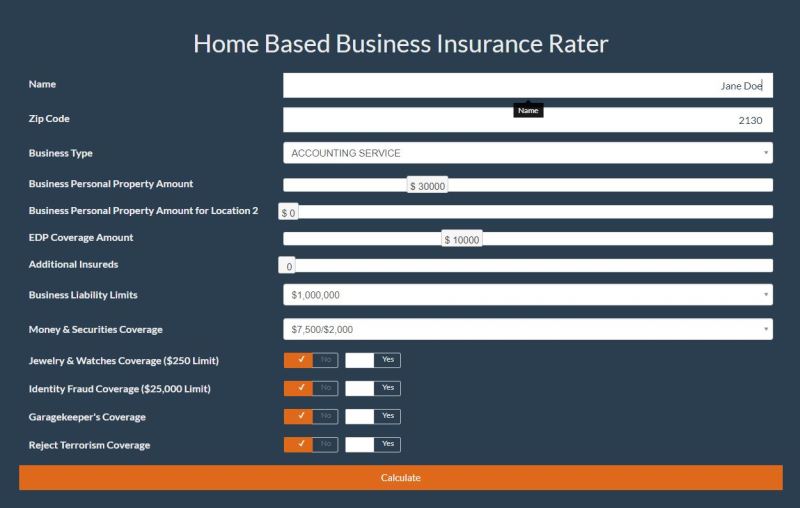
The home based business insurance definition refers to insurance products tailored for businesses operated from a primary residence. These policies address gaps left by personal insurance, such as liability for business activities, property damage to professional equipment, or cyber risks tied to remote operations. Unlike commercial insurance, which assumes office-based operations, home-based business insurance adapts to the hybrid nature of modern work—where living spaces double as workspaces, and personal assets intertwine with business assets.
Insurers categorize these policies based on business type, revenue, and risk exposure. For example, a home-based bakery might need product liability coverage for food-related claims, while a digital marketer requires professional liability for errors in client campaigns. The home based business insurance definition thus evolves with the business: a freelance coder’s needs differ from those of a home-based healthcare provider, whose policies must comply with stricter medical malpractice regulations. The key is identifying which risks your business faces and selecting coverage that mitigates them without overpaying for redundant protection.
Historical Background and Evolution
The roots of home based business insurance definition trace back to the late 20th century, as remote work became viable thanks to technological advancements. Before then, insurance providers treated home-based businesses as high-risk outliers, often denying coverage or charging prohibitive premiums. The turning point came in the 1990s, when the rise of the internet and telecommuting forced insurers to innovate. Policies like "home business endorsements" emerged as add-ons to homeowners’ insurance, offering basic liability protection for side hustles.
By the 2010s, the gig economy and remote work revolutionized the landscape. Insurers developed standalone policies—such as business owner policies (BOPs) for home-based ventures—to address the growing demand. Today, the home based business insurance definition encompasses a broader array of options, including cyber insurance for data breaches, tools for independent contractors, and niche coverages for tradespeople operating from home. Regulatory shifts, such as the Affordable Care Act’s impact on healthcare providers, further shaped these policies, ensuring compliance with industry-specific standards.
Core Mechanisms: How It Works
At its core, home based business insurance definition functions by transferring financial risk from the policyholder to the insurer. When you purchase a policy, you pay premiums in exchange for coverage limits that define the insurer’s payout obligations. For instance, a general liability policy might cover up to $1 million in third-party bodily injury claims, while a property policy reimburses you for damaged equipment up to a specified amount. The mechanism hinges on three pillars: risk assessment, policy terms, and claims processing.
Insurers evaluate risk by analyzing factors like business type, annual revenue, and claims history. A home-based consultant with a clean record may qualify for lower premiums than a home-based manufacturer handling hazardous materials. Policy terms specify exclusions—such as intentional acts or pre-existing conditions—and deductibles, which you pay out-of-pocket before coverage kicks in. During a claim, you submit documentation (e.g., medical bills, repair estimates), and the insurer investigates before approving or denying the claim. Understanding these mechanics ensures you select a policy that aligns with your business’s actual needs, not just perceived ones.
Key Benefits and Crucial Impact
The home based business insurance definition isn’t merely a legal formality—it’s a strategic tool for risk management. For entrepreneurs, it provides peace of mind by covering scenarios that personal insurance ignores, such as a client suing over a missed deadline or a fire destroying your laptop and inventory. Beyond financial protection, it enhances credibility with clients and partners, signaling professionalism and preparedness. Without it, a single incident could force you to shut down operations, erasing years of effort.
Consider the case of a home-based event planner whose client trips during a wedding and sues for $50,000 in medical expenses. Without liability coverage, the planner’s personal assets—savings, car, or home—could be seized to settle the claim. A home based business insurance definition-compliant policy would cover the claim, allowing the business to continue operating. Similarly, a cyberattack compromising client data could trigger a data breach lawsuit; cyber insurance under this umbrella would cover legal fees and notifications. These examples illustrate why the definition isn’t just about coverage—it’s about survival.
"Home-based business insurance isn’t an expense; it’s an investment in the longevity of your enterprise. Without it, one uninsured event can unravel everything you’ve built."
— Jane Carter, Risk Management Consultant, Carter & Associates
Major Advantages
- Liability Protection: Covers lawsuits from third-party injuries, property damage, or professional errors (e.g., a client alleging negligence in your work).
- Property Coverage: Reimburses damaged or stolen business equipment, inventory, or furniture used for work (e.g., a laptop stolen from your home office).
- Business Interruption Insurance: Compensates lost income if a covered event (e.g., fire) forces you to halt operations temporarily.
- Cyber Liability: Addresses data breaches, ransomware attacks, or regulatory fines for mishandling client information.
- Compliance and Credibility: Meets contractual requirements (e.g., clients demanding proof of insurance) and builds trust with customers.
Comparative Analysis
| Policy Type | Key Features |
|---|---|
| General Liability Insurance | Covers bodily injury/property damage claims (e.g., a delivery driver slipping at your doorstep). Excludes professional errors. |
| Professional Liability (Errors & Omissions) | Protects against claims of negligence in services (e.g., a client suing for missed deadlines). Rarely covers property damage. |
| Business Owner Policy (BOP) | Bundles general liability + property insurance for home-based businesses. Often excludes cyber risks or high-risk activities. |
| Cyber Insurance | Covers data breaches, hacking, or ransomware. Typically requires separate purchase unless bundled in a BOP. |

Future Trends and Innovations
The home based business insurance definition is evolving alongside the gig economy and remote work trends. Insurers are integrating telematics—using data from devices like laptops or security cameras—to dynamically adjust premiums based on real-time risk. For example, a policyholder with a home office in a low-crime area might see lower rates than one in a high-theft neighborhood. Additionally, AI-driven underwriting is streamlining the application process, offering instant quotes tailored to specific business models.
Emerging risks, such as climate-related disruptions (e.g., wildfires damaging home offices) or the rise of "phygital" businesses (blending online and offline operations), are pushing insurers to expand coverage. Micro-insurance products—low-cost, short-term policies for freelancers—are also gaining traction, addressing the needs of the unbanked or underinsured. As remote work becomes the norm, the home based business insurance definition will likely broaden to include hybrid scenarios, such as pop-up shops or co-working spaces, ensuring entrepreneurs remain protected regardless of where they operate.
Conclusion
The home based business insurance definition is more than a technicality—it’s a cornerstone of sustainable entrepreneurship. By addressing the unique vulnerabilities of home-based ventures, it shields you from financial ruin while allowing you to focus on growth. The policies available today reflect a shift toward flexibility and innovation, but the onus remains on you to assess your risks and select coverage that fits your business’s reality. Ignoring this need is a gamble; investing in the right protection is a strategic move.
As the landscape of work continues to transform, staying informed about updates to the home based business insurance definition will be critical. Whether you’re a freelancer, a consultant, or a small business owner, proactive risk management ensures that your business thrives—not just survives. The time to act is now, before an unforeseen event turns your home office into a liability.
Comprehensive FAQs
Q: Does my homeowners’ insurance cover my home-based business?
A: No. Most homeowners’ policies exclude business-related activities, including liability claims or property damage tied to work. A home based business insurance definition-compliant policy is required to bridge this gap.
Q: How much does home-based business insurance cost?
A: Costs vary widely—typically $300 to $1,000 annually for basic coverage, depending on business type, revenue, and location. High-risk ventures (e.g., home-based contractors) may pay more.
Q: Can I get coverage if I work from a rented apartment?
A: Yes, but you’ll need a policy that covers rented properties. Some insurers offer "tenant home business insurance," which adapts to lease agreements and landlord restrictions.
Q: What’s the difference between general liability and professional liability?
A: General liability covers third-party injuries/damage (e.g., a client tripping in your home office), while professional liability (E&O) covers errors in your services (e.g., a client suing for poor financial advice). Both may be needed depending on your business.
Q: Are there discounts for bundling policies?
A: Yes. Many insurers offer discounts for combining general liability, property, and cyber insurance into a Business Owner Policy (BOP), or for bundling with other personal insurance (e.g., auto or homeowners). Always ask about multi-policy discounts.
Q: What should I do if my business outgrows my home?
A: Transition to commercial insurance once your business exceeds revenue or space limits (usually $5,000–$10,000 annually or 25% of home square footage). Consult your insurer to avoid coverage gaps during the move.
Leave a Comment
Comments are moderated before appearing. The data you submit is processed according to the Privacy Policy of versiliasolutions.oneagency.co.