
Unlocking Evolution: How Is a Gene Pool and Biological Evolution Related?
At its core, how is a gene pool and biological evolution related is a question of scale and time. A single organism’s genome is a snapshot; a gene pool is the...
Tag
At its core, how is a gene pool and biological evolution related is a question of scale and time. A single organism’s genome is a snapshot; a gene pool is the...

The misconception that giraffes rarely vomit persists because their digestive system is finely tuned to process fibrous vegetation with minimal waste. However...

What separates a giraffe’s regurgitation from that of a domestic cat isn’t just scale but the sheer force of physics acting on its 500-pound frame. The...

The revelation began with the Human Microbiome Project, a landmark initiative that sequenced the genetic material of microbes residing in and on the human...
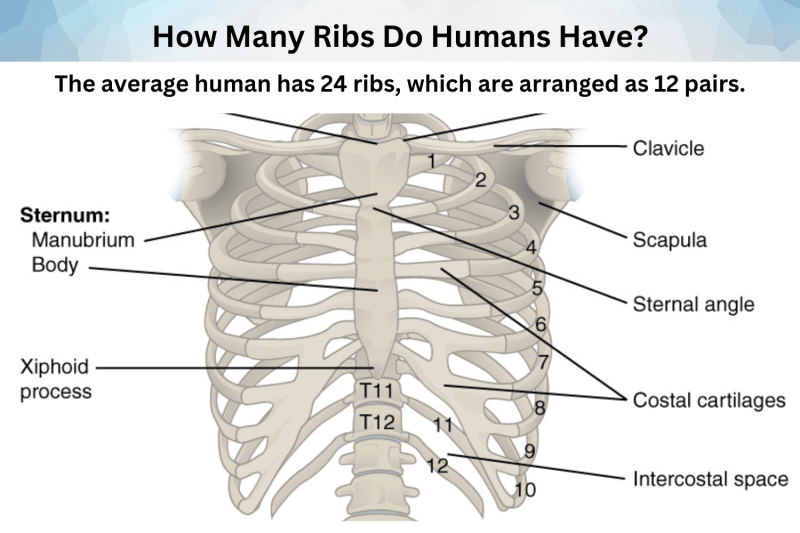
The rib cage’s role extends beyond protection. It’s a scaffold for respiration, a shield for the heart and lungs, and a silent participant in posture and...

The act of sneezing is a masterclass in physiological efficiency. In less than a second, your nasal passages, sinuses, and even your diaphragm transform into a...

The first time a parent gazes into their newborn’s eyes, they might swear they see a reflection of themselves—not just in the shape of the nose or the curve of...

What happens when you ignore these left-side parts? Misdiagnoses, overlooked injuries, or suboptimal training regimens. The left arm’s reduced muscle mass in...

The human body maintains a delicate equilibrium, and at its core lies a measurement so fundamental it’s often taken for granted: human body temperature in...

The human cell is the unsung architect of life, a microscopic powerhouse where chemistry becomes destiny. Every organism, from the simplest bacterium to the...

What makes the rib cage truly fascinating is its paradox: it is both a fortress and a bellows. The same bones that encase the heart and lungs also expand and...

At its core, the study of inbreeding statistics by race examines the frequency of mating between genetically related individuals within distinct populations...

The implications stretch far beyond flower petals. From human blood types to agricultural crop breeding, incomplete dominance reveals how nature often operates...

This mechanism isn’t just a botanical curiosity. It underpins traits in animals—from the diluted coat colors in horses to the variable pigmentation in certain...

Every organism on Earth belongs to one of two fundamental cellular categories: prokaryotes or eukaryotes. The distinction isn’t just academic—it defines how...

The debate over whether prokaryotic cells share any traits with plant cells often hinges on a single misstep: conflating function with taxonomy . A...

What if the leg bone could reveal more than just structural integrity? Its history stretches back to early hominids, where every fracture or adaptation tells a...
The misconception that leg bones names are static or interchangeable ignores their technical specificity. The femur isn’t just a "thigh bone"—it’s a lever for...

Yet the life span of animals isn’t static. It’s a dynamic puzzle influenced by human activity—climate change, pollution, and habitat destruction—reshaping...

Yet their grandeur belies a paradox: these behemoths were built on fragility. Their lightweight, hollow bones and elongated spines housed complex vascular...