
The Science Behind Why Is Water a Universal Solvent – Nature’s Hidden Power
The answer lies in water’s polar nature, a property so fundamental it defies intuition. Unlike most liquids, water molecules carry both a positive and negative...
Tag
The answer lies in water’s polar nature, a property so fundamental it defies intuition. Unlike most liquids, water molecules carry both a positive and negative...

The confusion stems from silver’s dual identity: a noble metal prized for its resistance to corrosion, yet one with a reactive edge when conditions align...

The term acid name for HBr isn’t just a trivial question for chemists—it’s a gateway to understanding the precise language of inorganic chemistry. Hydrobromic...

The journey of al2s3 begins not in laboratories but in the crucibles of early metallurgy, where aluminum’s extraction from bauxite demanded reactive...

The white powder sitting in your pantry isn’t just for baking. Baking soda traduzione —or bicarbonato di sodio in Italian, bicarbonate de soude in French, and...

The volume of a box isn’t just an abstract mathematical exercise—it’s the foundation for everything from shipping logistics to architectural design. Whether...

What separates a rough estimate from an exact calculation? The answer lies in unit consistency, dimensional accuracy, and an understanding of how cylindrical...

The stakes are higher than ever. Modern electronics demand tighter tolerances, and renewable energy systems introduce variables like DC-to-AC conversions. A...
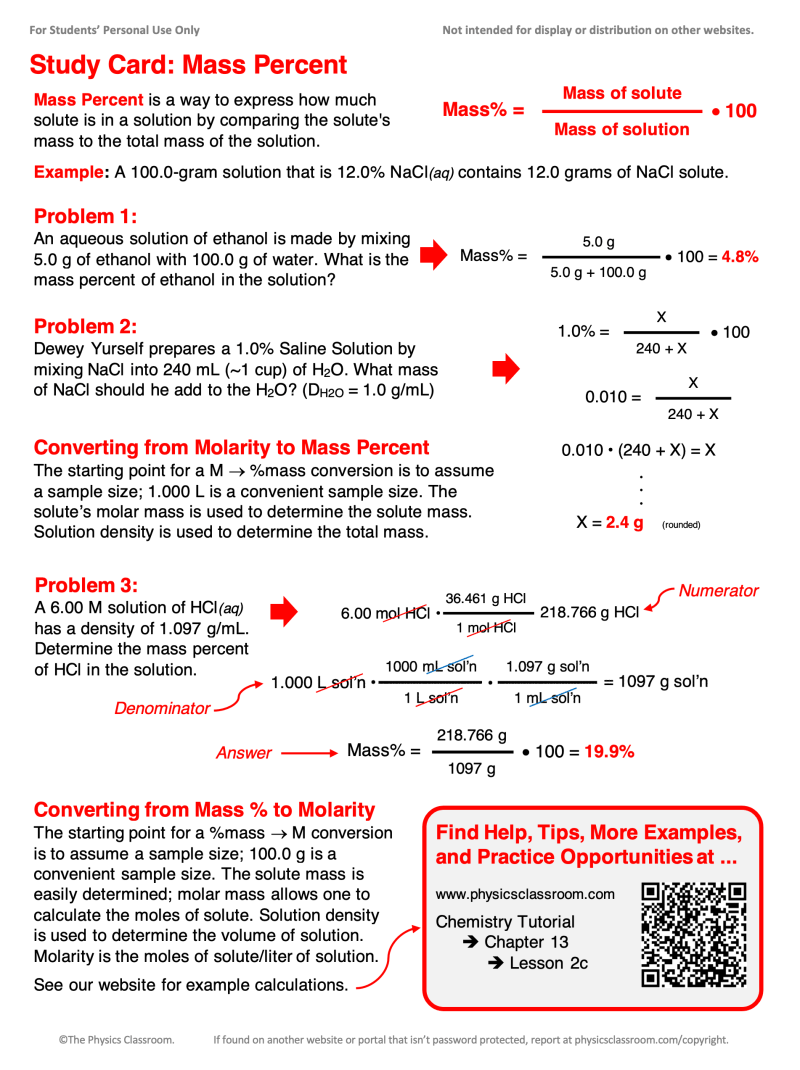
The concept of calculating mass percentage is the bedrock of quantitative analysis in chemistry, a critical tool in pharmaceuticals, materials science, and...

At its core, calculating volume cylinder hinges on two immutable laws of geometry: the area of a circle and the concept of uniform cross-section. The formula V...

What makes the cao compound name particularly fascinating is its duality: a deceptively simple binary oxide that, when refined, unlocks properties critical to...

What makes this spectrum unique is its adaptability. Carbon blacks, grays, and even subtle metallic undertones—often labeled under the broader...

Yet, the co compound name is rarely discussed outside specialized journals. This oversight is surprising, given cobalt’s critical role in modern chemistry. For...

The fe2o3 compound name —a deceptively simple trio of letters—encapsulates one of Earth’s most ubiquitous yet transformative substances. Known chemically as...

At its core, the final temperature calculator solves a fundamental problem: how two or more substances at different temperatures interact when combined. This...
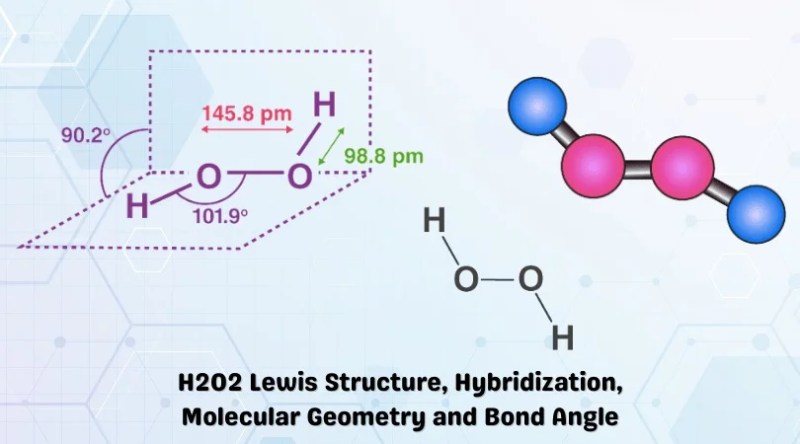
What makes the h2o2 compound name particularly fascinating is its historical ambiguity. For centuries, chemists debated whether it was a true peroxide or an...

What distinguishes the HBR compound name from other acids is its duality: it functions as both a reagent and a catalyst, bridging the gap between theoretical...

Every household contains it—yet few recognize its precise chemical identity. That sharp tang in vinegar, the preservative in salad dressings, and the solvent...

The first time hydrochloric acid—commonly referred to by its systematic hcl acid name —was isolated in a laboratory, it marked a turning point in chemistry...

What makes hclo2 acid name uniquely effective isn’t just its oxidative power but its selective reactivity. While traditional chlorine-based disinfectants...