
The Baby’s Soft Spot: Nature’s Hidden Window to Infant Development
The fontanelle is not merely a medical curiosity but a living indicator of an infant’s health. Pediatricians monitor its size, tension, and symmetry as part of...
Tag
The fontanelle is not merely a medical curiosity but a living indicator of an infant’s health. Pediatricians monitor its size, tension, and symmetry as part of...

Anatomically, the baby’s soft spot —medically termed the anterior fontanelle —is one of two primary fontanelles (the other being the posterior, near the back...

What unites these interpretations is the earlobe’s dual role as both a cultural symbol and a biological wonder. Piercing studios worldwide market earlobe ball...

Medical literature confirms that dehydration accelerates intestinal motility, forcing bile—a greenish-yellow fluid—to pass through the digestive tract faster...

The frustration deepens when you realize how deeply sneezing is woven into human survival. Our ancestors relied on this reflex to clear airborne pathogens...

The hue isn’t just a visual oddity; it’s a conversation starter. During live games, viewers often pause to notice how the discoloration shifts subtly—sometimes...

What makes the clover-shaped tongue so fascinating is its dual nature as both a biological curiosity and a potential marker of broader genetic patterns. Unlike...

What makes the gag reflex particularly fascinating is its dual nature: it’s both a primitive survival tool and a modern-day nuisance. For ancient humans...
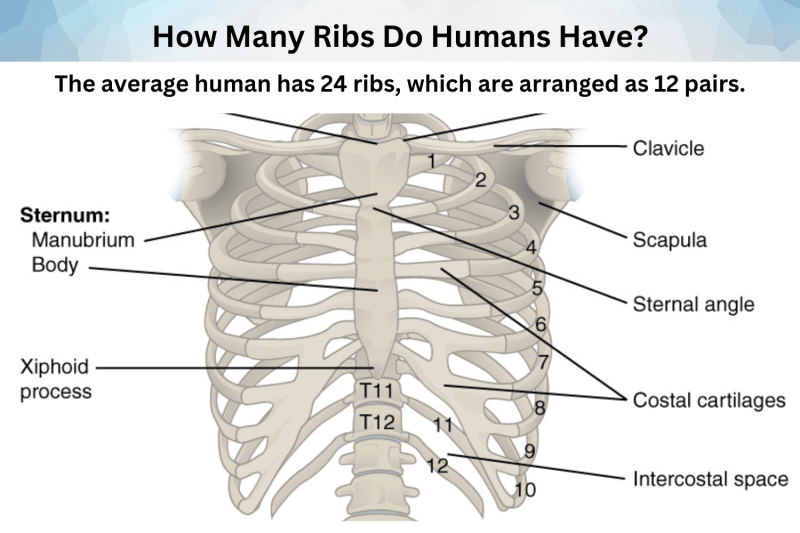
The rib cage’s role extends beyond protection. It’s a scaffold for respiration, a shield for the heart and lungs, and a silent participant in posture and...

What makes Mikayla Campinos feet particularly intriguing is the way they’ve been dissected—not just for their appearance, but for their perceived "unusual"...

What makes what is hiccups particularly intriguing is their dual nature: they are both a common, harmless occurrence and, in rare cases, a symptom of...

The eyes are not passive observers in this conflict. They are active participants, equipped with their own immune defenses—lymphocytes, antibodies, and...

Anatomically, the esophagus isn’t designed for horizontal gas expulsion. It’s a vertical conduit, a muscular tube that stretches from the throat to the...
A baby’s soft spot—medically termed the fontanelle —is one of nature’s most delicate yet vital anatomical features. Unlike rigid bone, these fibrous membranes...

The first time a parent cradles a newborn, they might notice something curious about those tiny, bendy legs. The knees seem soft, almost pliable, as if nature...

The implications stretch beyond the womb. Organs missing at birth often reflect the body’s need to mature in stages—lungs, for instance, are non-functional...

The baby toe nub isn’t just a footnote in anatomy textbooks; it’s a living paradox. For some, it’s a fully formed fifth toe, albeit miniature. For others, it’s...

The sheer range of nipple sizes among women—from barely perceptible to strikingly prominent—challenges the myth of uniformity in human anatomy. Medical...

What makes this trait particularly compelling is its dual nature: medically, it’s classified as a form of syndactyly or brachydactyly, but culturally, it’s a...