
Unraveling the Mutant Definition Biology: Nature’s Hidden Code in Genetics
The term mutant definition biology conjures images of comic-book superheroes, but its roots lie in the precise, often invisible alterations of genetic code...
Tag
The term mutant definition biology conjures images of comic-book superheroes, but its roots lie in the precise, often invisible alterations of genetic code...

What makes this process even more fascinating is its dual role: a structural demolition and a biochemical handshake. The nuclear envelope’s disassembly isn’t...
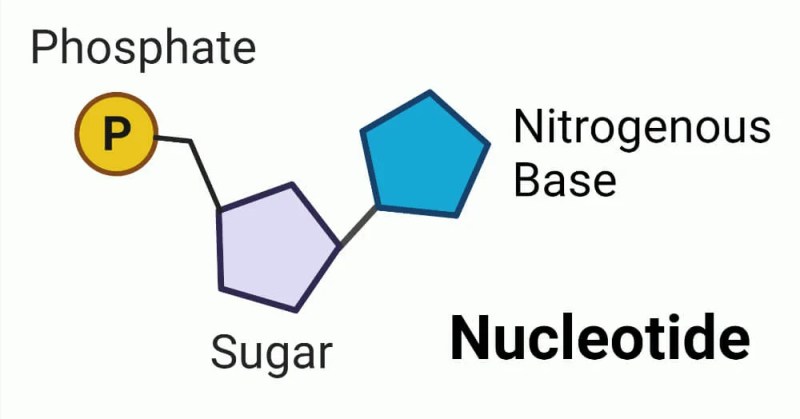
Their significance extends far beyond the laboratory. In the realm of nutrition, nucleotides are emerging as critical players in immune support, gut health...

What separates a nucleus in a mammalian neuron from one in a maize root cell? The answer lies in more than just size or shape—it’s in the nuanced ways these...

The cell is often called the fundamental unit of life, but its true brilliance lies in the unseen division of labor. Within every eukaryotic cell—from the...

The human body operates on a silent, intricate network of signals far beyond the reach of nerves or hormones. Cells whisper to their neighbors through a...

Yet, the implications of paracrine signaling extend far beyond healing. In cancer biology, tumor cells exploit these pathways to remodel their surroundings...

PCR test equipment didn’t just change how we detect viruses—it redefined the boundaries of medical diagnostics. From the first SARS-CoV-2 surge to today’s...

Yet, despite their ubiquity, phosphatase enzymes remain underappreciated in public discourse. While kinases—enzymes that add phosphate groups—often steal the...

What makes polymerase so indispensable? Its precision. A single misstep in DNA synthesis—whether in nature or a lab—can cascade into catastrophic errors. Yet...

What makes polymerase in DNA so extraordinary is its dual role as both a precision tool and a biological workhorse. It doesn’t merely assemble nucleotides—it...

Every cell in the human body performs protein synthesis thousands of times per minute, translating genetic information from RNA into functional proteins. The...

Yet, the elegance of this system is often overshadowed by its complexity. While textbooks simplify it into three stages—initiation, elongation, and...

The consequences of this division ripple across disciplines. Geneticists trace hereditary diseases to errors here, while ecologists study how meiotic outcomes...

The story of RNA polymerase in DNA replication begins not in textbooks but in the labyrinthine depths of cellular machinery, where its activity bridges the gap...

The misconception that RNA polymerase’s function in DNA replication is ancillary stems from a historical focus on its transcriptional duties. Early molecular...

The atom that binds life together is neither rare nor exotic—it’s carbon. Yet its ability to form four stable covalent bonds, its unparalleled capacity to...

Yet its significance extends beyond the lab. The role of DNA polymerase 1 is a cornerstone of modern biotechnology, from CRISPR gene editing to forensic DNA...

Yet for all its ubiquity, the elegance of semiconservative DNA replication was only confirmed in the mid-20th century—a late revelation given its foundational...

Yet for decades, scientists debated how this replication worked. Early theories suggested DNA might copy itself like a photocopier—entirely new strands—or...