
Calculating 5% of 40000: Precision, Use Cases & Hidden Value
The power of 5% of 40000 lies in its universality. It’s the threshold for late fees on credit cards, the markup on wholesale pricing, or the percentage of a...
Tag
The power of 5% of 40000 lies in its universality. It’s the threshold for late fees on credit cards, the markup on wholesale pricing, or the percentage of a...

Businesses often conflate two critical financial terms— sales and revenue —assuming they’re interchangeable. Yet, the distinction between them isn’t just...

The costs of running a business extend far beyond the balance sheet. They include the intangibles—like the opportunity cost of time spent on administrative...
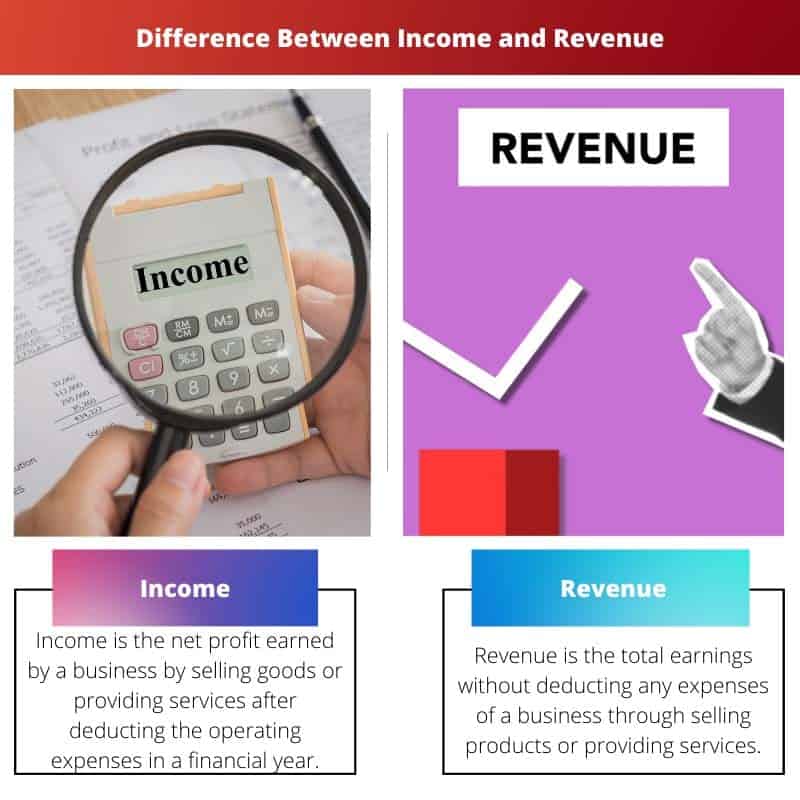
Yet confusion persists. Even seasoned entrepreneurs mislabel expenses as revenue or conflate gross income with net profit, leading to misallocated resources...

The balance sheet may show a booming revenue line, but the reality of sales is often a different story. When a company reports record earnings, investors and...

The disparity between the two becomes even more pronounced when examining industries like retail, where return rates can slash total revenue by 10% or more, or...

The confusion persists because accounting frameworks like GAAP (Generally Accepted Accounting Principles) and IFRS (International Financial Reporting...
The numbers on a balance sheet rarely tell the full story. When stakeholders examine financial statements, they often conflate two critical metrics—revenue and...

Financial statements are designed to tell a story, and revenue is the opening chapter. Sales, meanwhile, is the raw material—often messy, unrefined, and...
Financial statements are the language of business, yet even seasoned professionals stumble over the distinction between net sales is the same as revenue . The...

The misconception that revenue and net sales revenue are interchangeable persists, yet the distinction is critical. A retailer might boast $100 million in...

The reality is that profit calculation isn’t static. It evolves with market dynamics, regulatory shifts, and technological advancements. A business that relies...

Many entrepreneurs confuse high revenue with financial success, only to face insolvency when expenses outpace income. Tech startups burn through venture...
This distinction isn’t just academic. Consider a tech startup generating $50 million in annual revenue through subscription models, only to hemorrhage cash...

Yet the confusion persists. Startups brag about "revenue growth" as if it’s synonymous with health, while private equity firms dissect profit margins like...

This strategy isn’t about static price tags or rigid discount tiers. It’s a dynamic system where every adjustment—whether a premium markup or a promotional...

The tension between revenue and profit is not just theoretical; it’s a daily calculation in boardrooms where investors scrutinize earnings per share (EPS)...

Publicly traded companies disclose these metrics quarterly, yet private firms and startups often overlook their nuanced implications. A tech startup might...

The most sophisticated businesses treat pricing as a lever, not a static variable. A well-structured target return on investment pricing model accounts for...

This strategy thrives in industries where margins are razor-thin yet demand fluctuates wildly—think retail, SaaS, or subscription services. The key lies in the...